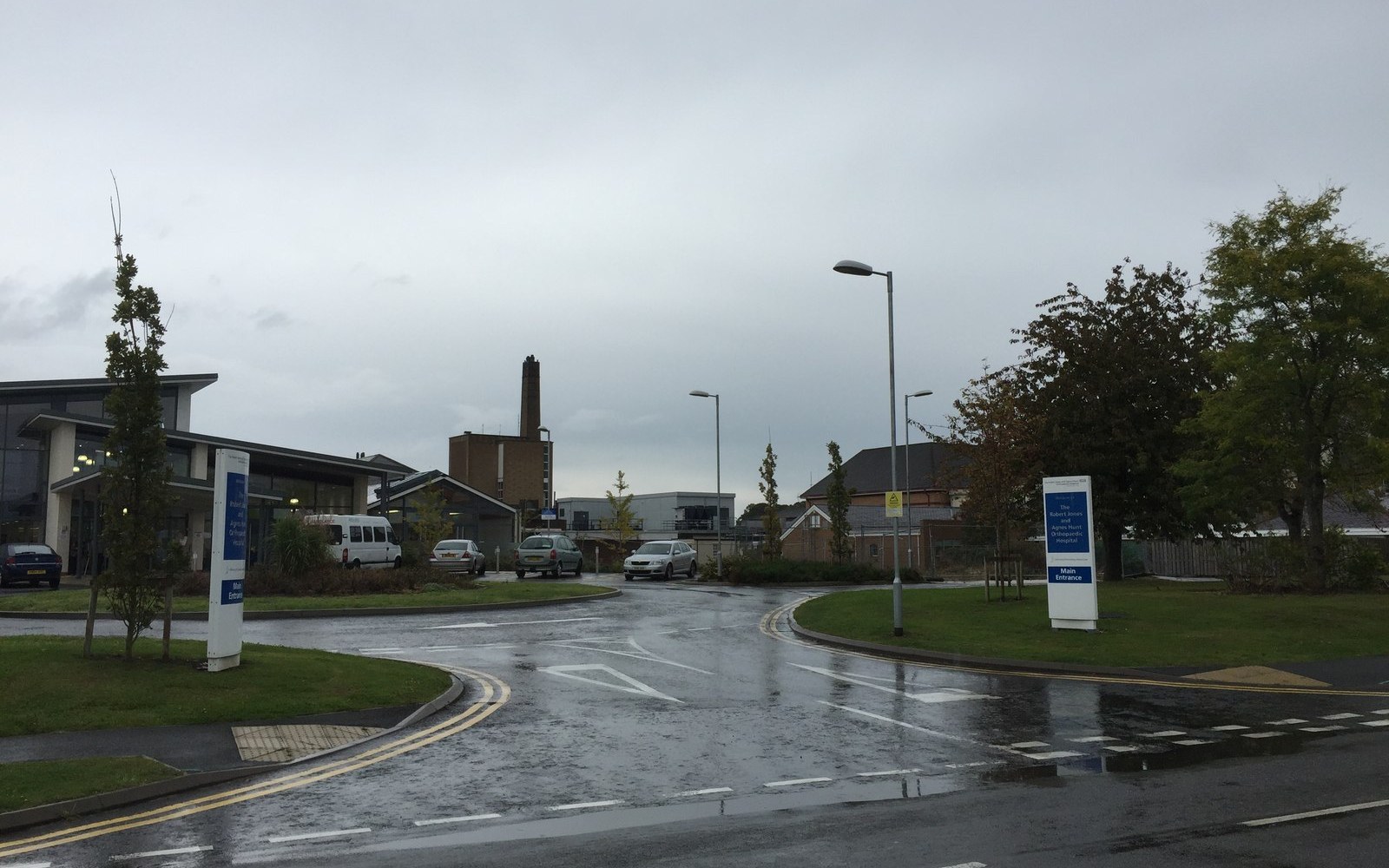
The hospital that carries the names of Robert Jones and Agnes Hunt began not as a building but as a garden. In 1900, Agnes Hunt — a nurse who had herself undergone surgery for childhood bone disease (osteomyelitis) — began treating local children with orthopaedic disabilities at Baschurch Home in Shropshire, a property her family owned. The arrangement was improvised: beds were moved outside, under the Shropshire sky, and the patients were housed in what amounted to a working farm with nursing attached. Robert Jones, the Liverpool-based orthopaedic surgeon who became Hunt's collaborating physician, travelled from the city to operate. The physical informality of those early years was not incidental. It was the founding argument of the place.
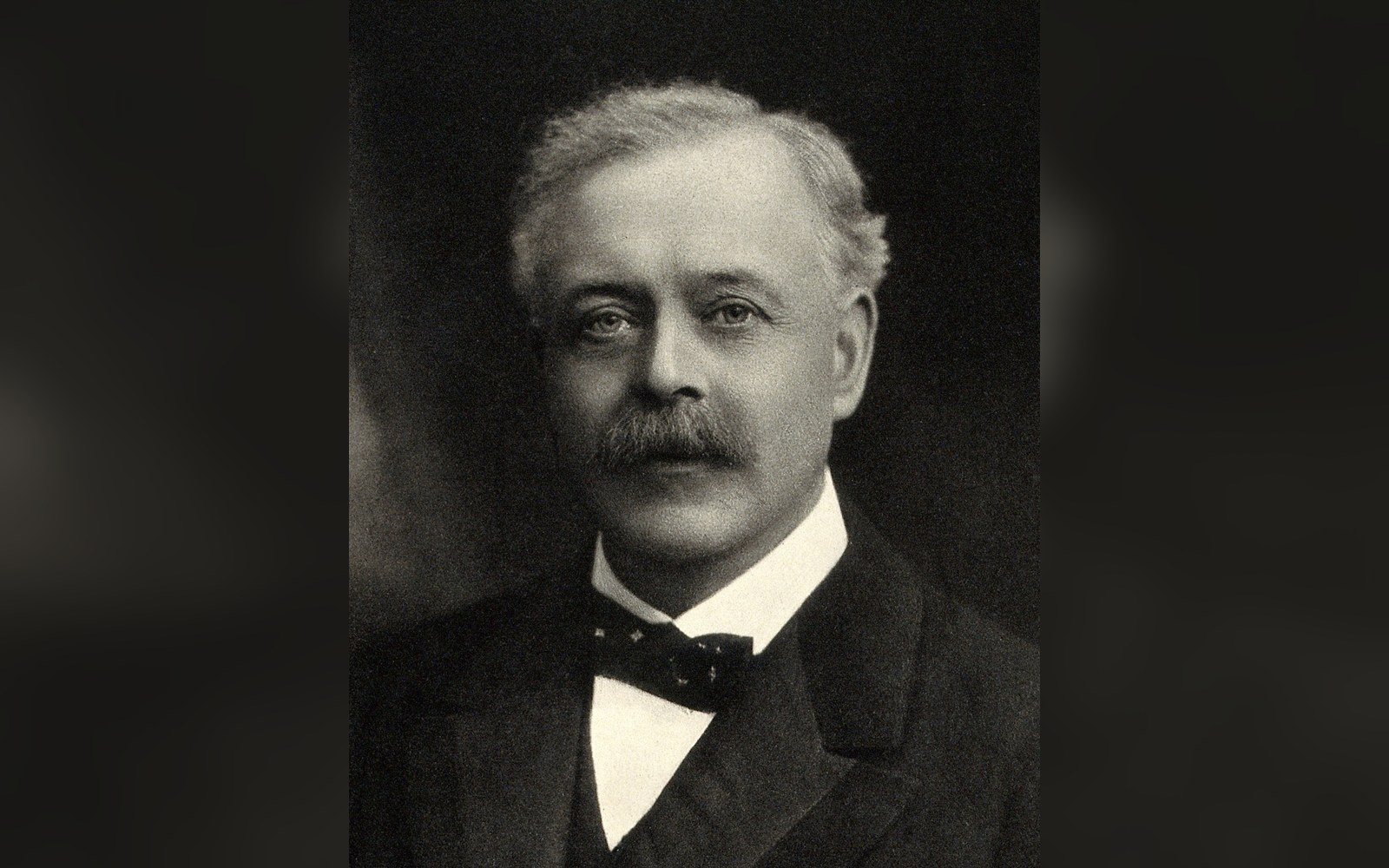
Baschurch Home was small, rural, and deliberately open. The children's beds were positioned under wooden verandas or on open-air platforms — a practice Hunt defended on the grounds that unobstructed fresh air reduced the incidence of wound infection and improved recovery from bone surgery. This was not an eccentric domestic experiment but a position held by a growing number of orthopaedic practitioners in the early twentieth century, shaped partly by the open-air sanatorium movement that had already transformed tuberculosis care in Britain and Continental Europe. At Baschurch, the same logic was applied to fracture disease and joint conditions in children who would otherwise have received no specialist treatment at all.
Key dates
- 1900Agnes Hunt begins treating orthopaedic patients at Baschurch Home, Shropshire
- 1914–1918First World War accelerates demand; Robert Jones coordinates national orthopaedic network
- 1933Robert Jones dies; institution later formally named after both founders
- 1948Hospital absorbed into the National Health Service
The Move to Oswestry and the Built Record
The hospital's move to its permanent site at Oswestry — roughly ten miles from Baschurch — came in stages. By the First World War, the Home was already functioning as a recognised orthopaedic centre, and Jones's wartime coordination of military orthopaedic care through the Shepherd's Bush Military Hospital and the network of auxiliary hospitals across Britain brought additional professional authority to the Shropshire operation. After the war, the demand for orthopaedic beds for both civilians and veterans accelerated what had been a gradual expansion.
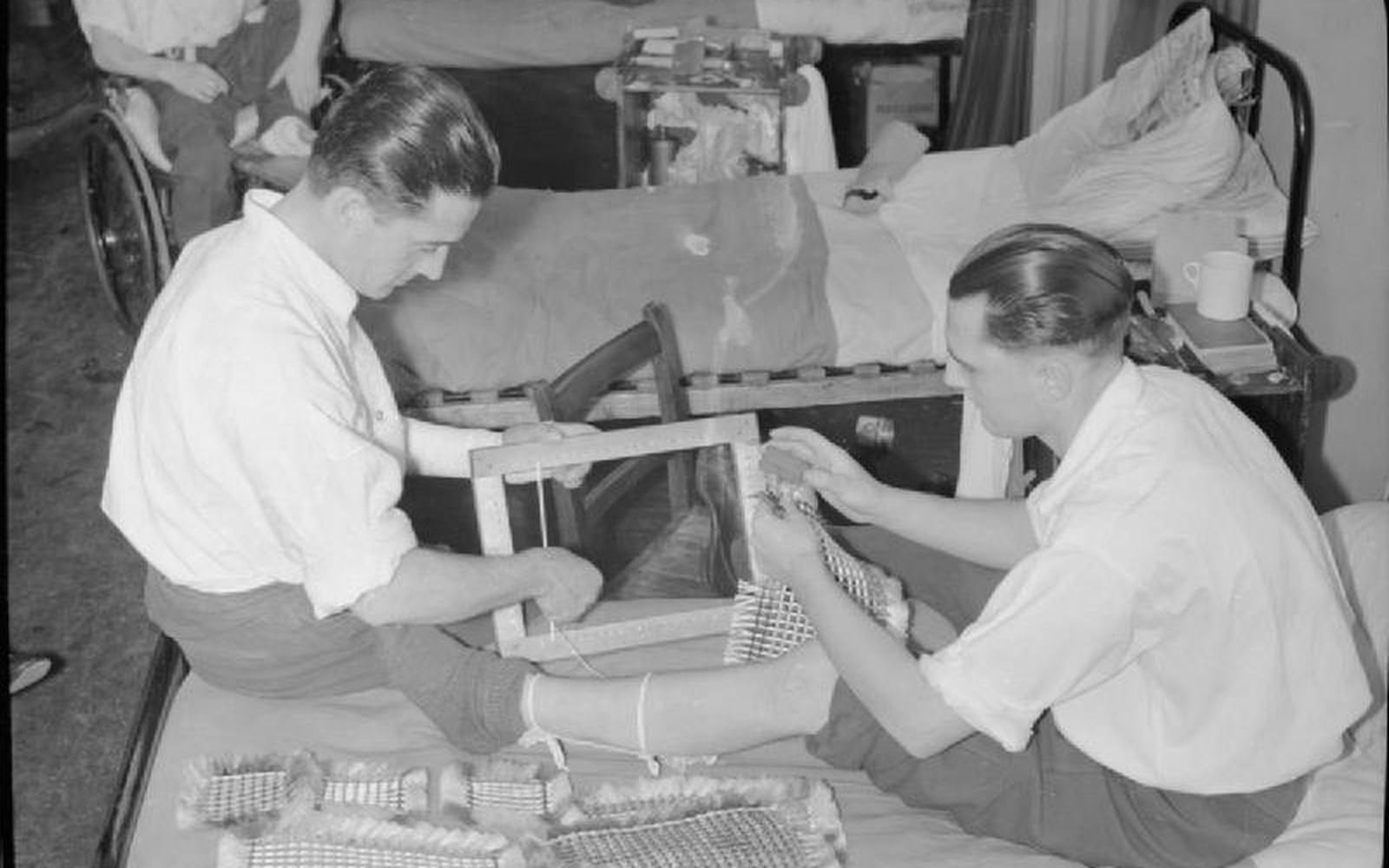
The buildings that rose at Oswestry in the interwar decades preserved the open-air ward principle as a structural fact. Photographs held in the hospital's own archive and in the Wellcome Collection show long wards with one wall left entirely open to the weather, beds arranged in rows facing the Shropshire hills, and patients wrapped in blankets against the cold. These were not temporary arrangements pending proper enclosure; they were the designed condition of the ward. The building expressed a clinical philosophy, cast in timber and corrugated iron rather than stone.
The Oswestry site accumulated structures in phases rather than through a single campaign of construction. A formal hospital building replaced the improvised Baschurch arrangements, and the institution was renamed — eventually bearing both Jones's and Hunt's names — following Jones's death in 1933. By that point it had become one of the principal orthopaedic centres in Britain, drawing patients from across the country and training physiotherapy and nursing staff in methods associated specifically with its approach to post-operative mobilisation and open-air convalescence.
What the Building Argued
The open-air ward at Oswestry was an institutional position dressed in timber. The arrangement challenged the enclosed, gas-lit hospital ward of Victorian convention and insisted that controlled exposure to the outdoor environment was a therapeutic condition rather than a failure of provision. Agnes Hunt documented the rationale in her memoirs, published in the 1930s, describing the resistance she encountered from families and from some medical authorities who associated outdoor sleeping with neglect. The records of the hospital's early decades show she persisted regardless.
That argument had a successor. The Rancho Los Amigos National Rehabilitation Center, managing polio patients in the 1950s, faced analogous decisions about how to arrange bodies and machines in space, and which features of the environment were therapeutic and which were merely inherited. Oswestry's version of that question had been settled decades earlier, in Shropshire, by a nurse who moved the beds outside and kept them there.
The hospital that ultimately received a formal National Health Service designation after 1948 — now the Robert Jones and Agnes Hunt Orthopaedic Hospital — retained the Oswestry address. The open wards were eventually enclosed. But the documentary photographs that survive show what the institution believed about space, air, and recovery at the moment when it was building itself into a profession's history.