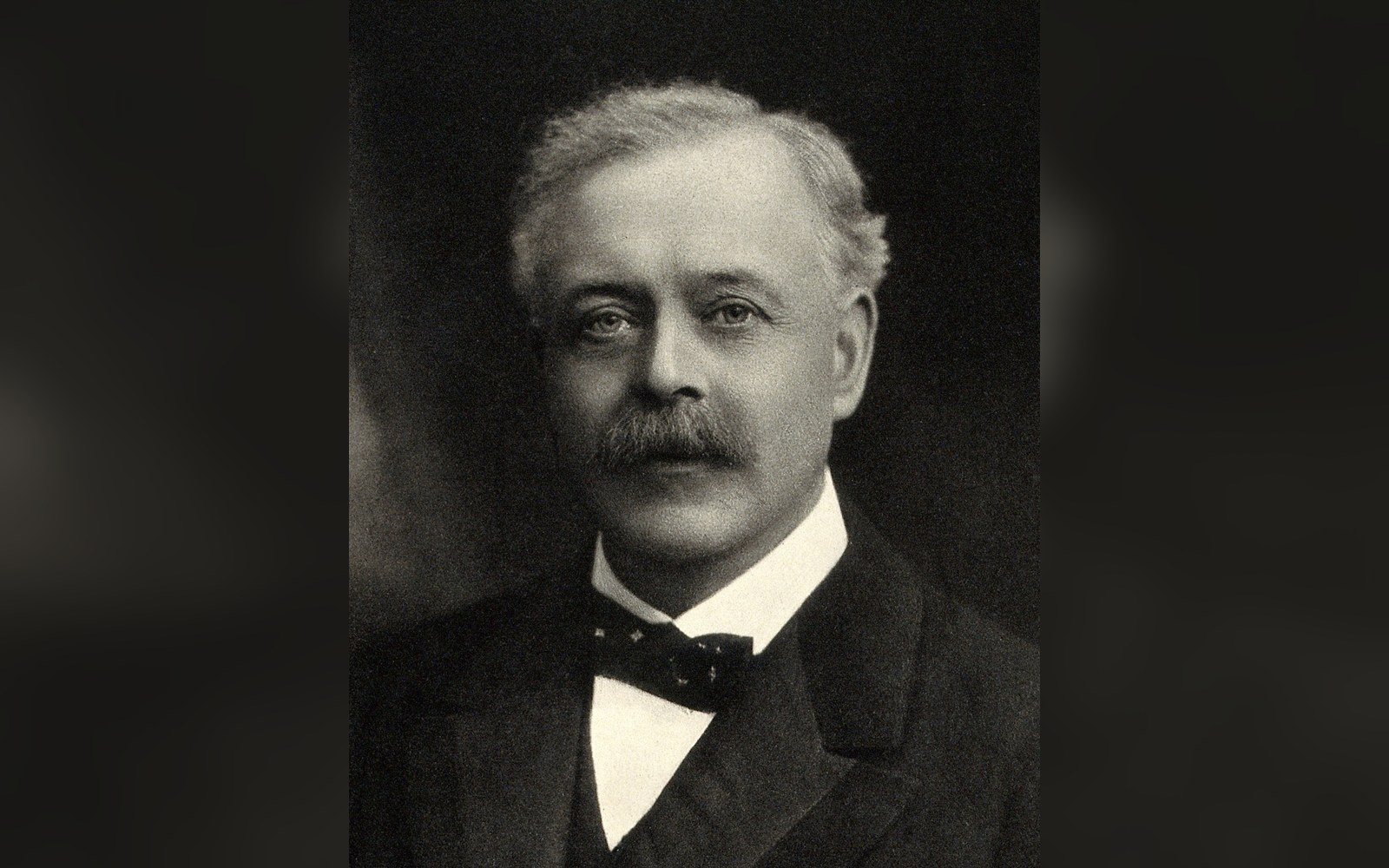
Agnes Hunt arrived at Baschurch, Shropshire, in 1900 with a practical problem to solve and no expectation of founding anything. Disabled since childhood by a hip condition, she had trained as a nurse and returned to her family home — Baschurch House — to establish a small convalescent home for crippled children, most of them from the mining and agricultural communities of the Welsh border. The venture was informal, underfunded, and run largely on donated goodwill. It was also, in retrospect, the opening act of one of British orthopaedics' most consequential institutional partnerships.
Robert Jones was by 1900 already the dominant figure in British orthopaedic surgery. Based in Liverpool, he had spent two decades building a clinical and organisational intelligence through his uncle Hugh Owen Thomas's influence and through his own work on the Manchester Ship Canal project, where the concentration of industrial injuries in the 1880s had forced rapid development in surgical technique. Jones first visited Baschurch around 1907, drawn by Hunt's emerging reputation and by the clinical material the home was accumulating. He began making regular visits — operating on the children Hunt had gathered, and contributing a surgical discipline that Hunt's nursing management had lacked.
Chronology
- 1918British Orthopaedic Association co-founded, Robert Jones among its founders
- 1900Agnes Hunt establishes convalescent home at Baschurch House, Shropshire
- c. 1907Robert Jones begins regular operating visits to Baschurch
- 1916Jones appointed Inspector of Military Orthopaedics; Baschurch expanded for military patients
- 1921Robert Jones and Agnes Hunt Orthopaedic Hospital opens at Gobowen, near Oswestry
- 1933Robert Jones dies
- 1938Agnes Hunt publishes This Is My Life
- 1948Agnes Hunt dies
- 1948Hospital enters the National Health Service as a specialist orthopaedic centre
The pairing was consequential because it was genuinely complementary. Hunt administered, recruited, and held the institution together through chronic financial precariousness. Jones operated, gave the work professional legitimacy, and connected Baschurch to the wider network of orthopaedic surgery that he was simultaneously building through his Liverpool clinic and through the British Orthopaedic Association, which he helped found in 1918. Physical treatment sat alongside surgery from the early years: exercise, graduated movement, and the outdoor regime that Hunt preferred were practised at Baschurch well before institutional physiotherapy had a formal name in Britain. The Society of Trained Masseuses had been founded in 1894, but its certification apparatus reached rural Shropshire slowly; at Baschurch, the physical work was organised by Hunt's practical authority rather than by professional credential.
The War and the Purpose-Built Hospital
The First World War transformed the scale of the enterprise. Jones was appointed Inspector of Military Orthopaedics in 1916, a post that gave him authority over the network of orthopaedic centres being established across Britain to manage the volume of fracture and nerve-injury cases returning from France. Baschurch was drawn into this network, expanding rapidly to accommodate military patients alongside its existing civilian caseload. Hunt managed the wartime growth with characteristic directness, acquiring additional accommodation and staff by methods that prioritised result over procedure.
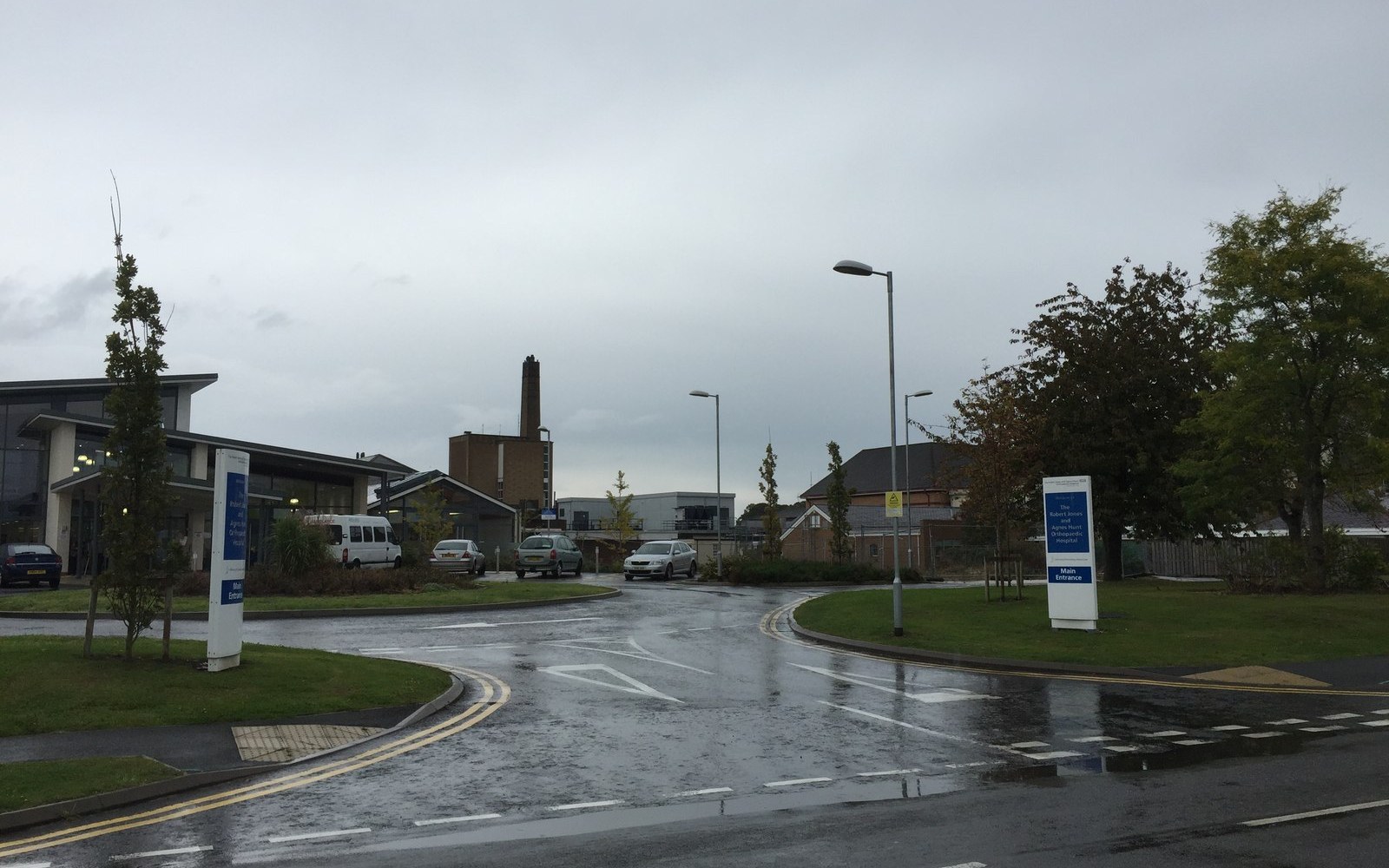
By 1920 the premises at Baschurch were demonstrably insufficient for what the institution had become. Planning began for a purpose-built facility on a new site at Gobowen, two miles north, on the edge of Oswestry. The Robert Jones and Agnes Hunt Orthopaedic Hospital opened there in 1921, named jointly in recognition of the partnership that had produced it. The naming was deliberate — Hunt pushed for it — and it was unusually frank in acknowledging a nurse administrator's contribution alongside a surgeon's at a moment when hospitals were overwhelmingly named for male physicians or for royal patrons.
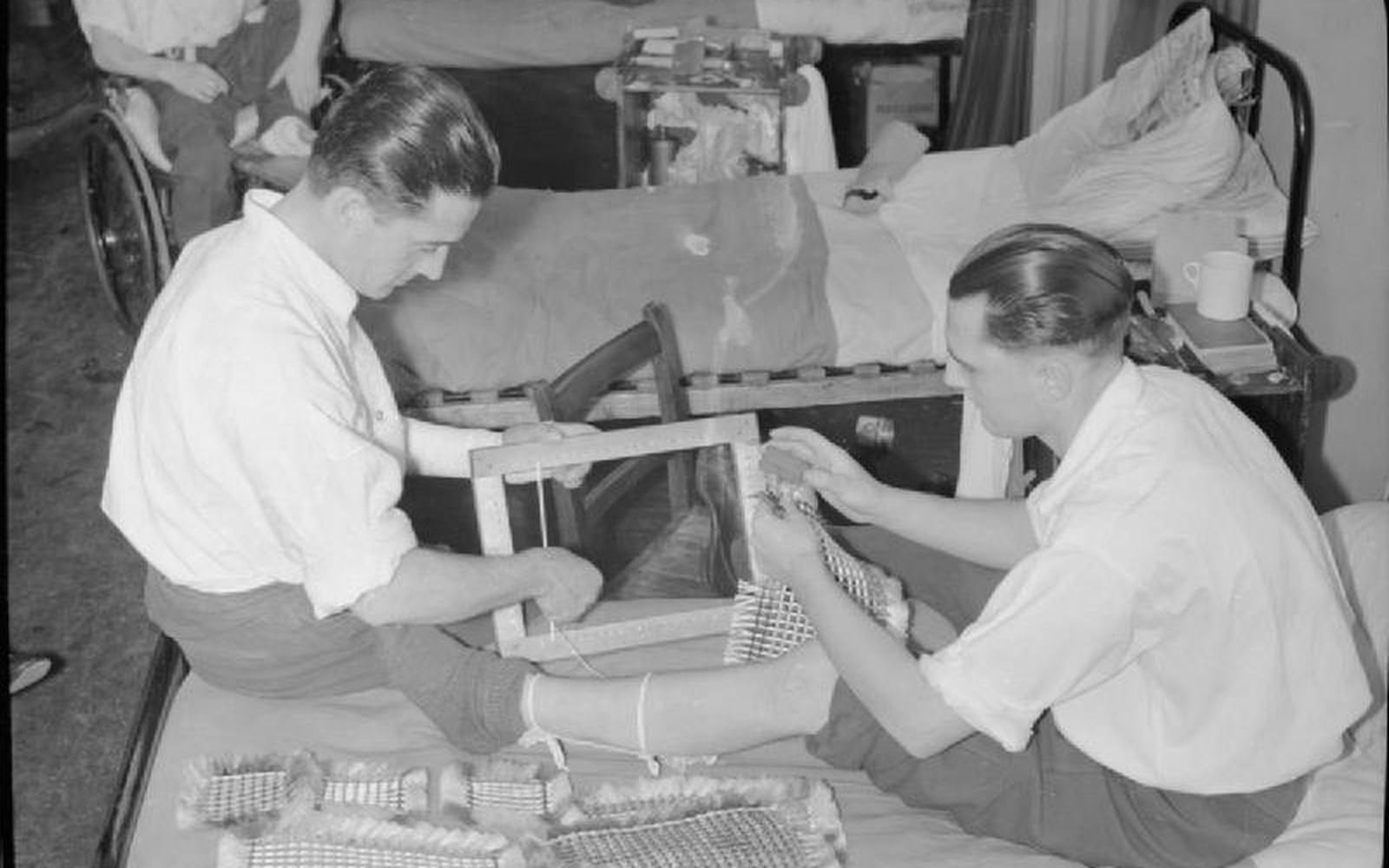
The Oswestry institution carried forward the Baschurch model: a large outdoor ward capacity, an emphasis on long-stay rehabilitation, and an integration of physical treatment with surgical care that was more systematic than most contemporary British hospitals attempted. The physiotherapy department that developed there through the 1920s and 1930s operated in a purpose-designed gymnasium, with parallel bars, a plinth, and apparatus for short-wave diathermy and wax bath that placed it within the standard institutional provision of the interwar period, while the hospital's particular focus on bone and joint disease shaped the department's caseload in ways that distinguished it from a general rehabilitation ward.
Robert Jones died in 1933. Agnes Hunt published her autobiography, This Is My Life, in 1938, and died in 1948. The hospital at Oswestry continued under the name they had given it, entering the National Health Service in 1948 as a specialist orthopaedic centre. What Hunt had started in a Shropshire country house in 1900 had, within half a century, become a named hospital, a documented department, and a model that influenced the design of orthopaedic rehabilitation provision across Britain.