Elizabeth Kenny reached the United States in 1940 carrying a set of clinical convictions and a reputation built in Queensland and London. She was not a physician, and the method she had developed for managing poliomyelitis — replacing the standard practice of immobilising affected limbs with splints — ran directly against the institutional consensus that the American Medical Association had been assembling for decades. What followed was not a debate that gradually resolved into acceptance. It was a professional dispute that ended with Kenny's name attached to a technique while the argument beneath it remained unsettled.
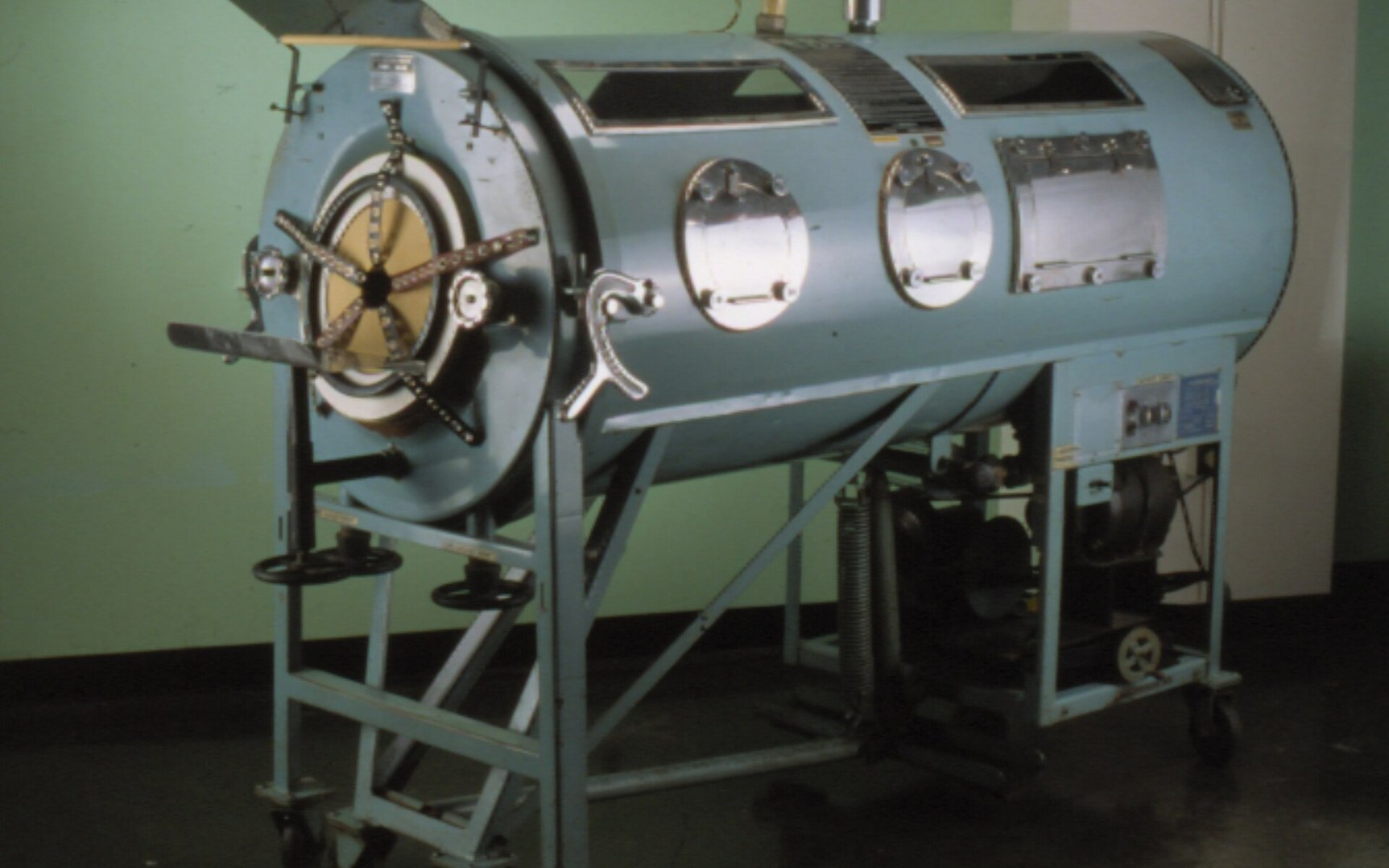
The standard American and British approach to polio's acute stage, codified by the mid-1930s, called for immobilisation: splints and casts to rest the affected muscles and prevent deformity. Kenny's method rejected this entirely. She applied warm, moist woollen wraps to limbs and encouraged movement rather than rest, framing the muscle problems in polio as a consequence of what she called mental alienation — a term her critics found both imprecise and unfalsifiable. She also insisted that the characteristic pattern of muscle weakness in polio was misunderstood, that spasm rather than paralysis was the primary early feature. This claim brought her into direct conflict with the neuromuscular framework that formed the theoretical base of American medical teaching.
Institutional timeline
- 1940Elizabeth Kenny arrives in the United States; given clinical space at the University of Minnesota
- 1942Elizabeth Kenny Institute opens in Minneapolis, funded by public donation
- 1943University of Minnesota formal evaluation published; received differently by different parties
- 1952Kenny dies; peak U.S. polio season recorded
- 1955Salk vaccine efficacy announced; acute polio management debate loses urgency
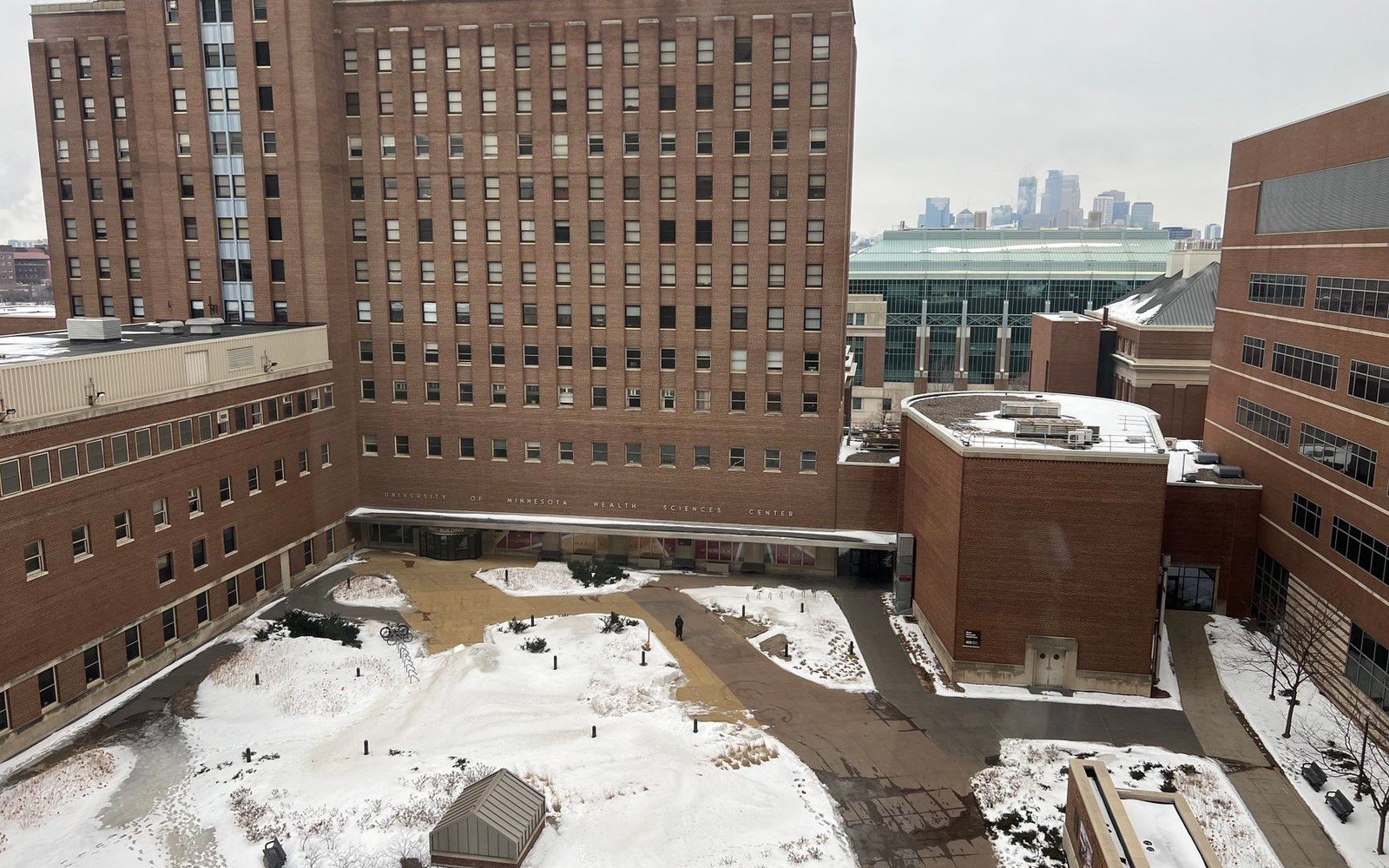
The American Medical Association maintained a cautious and largely sceptical position through the early 1940s. A formal evaluation conducted at the University of Minnesota, where Kenny had been given clinical space in 1940, produced a 1943 report that acknowledged her observations about muscle spasm while stopping well short of endorsing the theoretical apparatus around them. The report was widely read as qualified approval; Kenny herself read it as vindication; her medical colleagues in Minneapolis read it as something considerably more limited. All three readings appeared in print, and the divergence between them was never resolved.
What the Institutions Actually Said
The dispute played out in the literature of both professions touching polio management — medicine and the newly asserting field of physical therapy. Physical therapists working in polio wards in the early 1940s encountered Kenny's ideas not through a settled training programme but through the arguments of their physicians, the patients already admitted under one regime or another, and a growing body of journal articles whose conclusions varied with their authors. Mary McMillan's generation had built the reconstruction aide programme on a discipline loyal to physician direction; the Kenny controversy exposed how much friction that loyalty could generate when a practitioner outside the medical hierarchy claimed to have seen something the hierarchy had missed.
Kenny's institutional position was always ambiguous. The Elizabeth Kenny Institute in Minneapolis opened in 1942, funded largely by public donation driven by the immense popular attention her work received. That funding base — enthusiastic donors, a celebrity reputation cultivated through film and press — gave her independence from hospital structures while also making her a target for the argument that her success was promotional rather than clinical. The institute was a real building with real patients, but it sat outside the credentialing architecture that would have given her method a formal institutional home.
By the time Jonas Salk's vaccine began trials in 1952, the acute management dispute was already losing urgency. The 1952 polio season, with its peak recorded case figures, filled wards that needed every trained hand regardless of method; institutional arguments were temporarily subordinated to the pressure of numbers. When the Salk vaccine's effectiveness was announced in 1955, the question of what to do with a paralysed limb in the acute stage became, gradually, a less pressing one. Kenny had died in 1952.
What remained was a professional residue: physical therapists trained in American facilities in the mid-1940s who had seen Kenny's warm packs and early mobilisation demonstrate observable results in some patients, set against physicians who had watched the theoretical structure supporting those results collapse under examination. The method survived in institutional memory as a named episode in the history of polio rehabilitation. The argument it contained — about who was authorised to observe, name, and act on a clinical phenomenon — was not one that a vaccine could settle.
| Immobilisation via splints | standard American and British practice to mid-1930s, which Kenny's method explicitly opposed |
|---|---|
| Muscle spasm as primary feature | Kenny's framing, contested by prevailing neuromuscular models |
| "Mental alienation" | Kenny's term for the neurological component she identified; critics regarded it as without precise meaning |
| Minnesota evaluation, 1943 | acknowledged spasm observations but did not endorse Kenny's theoretical framework |