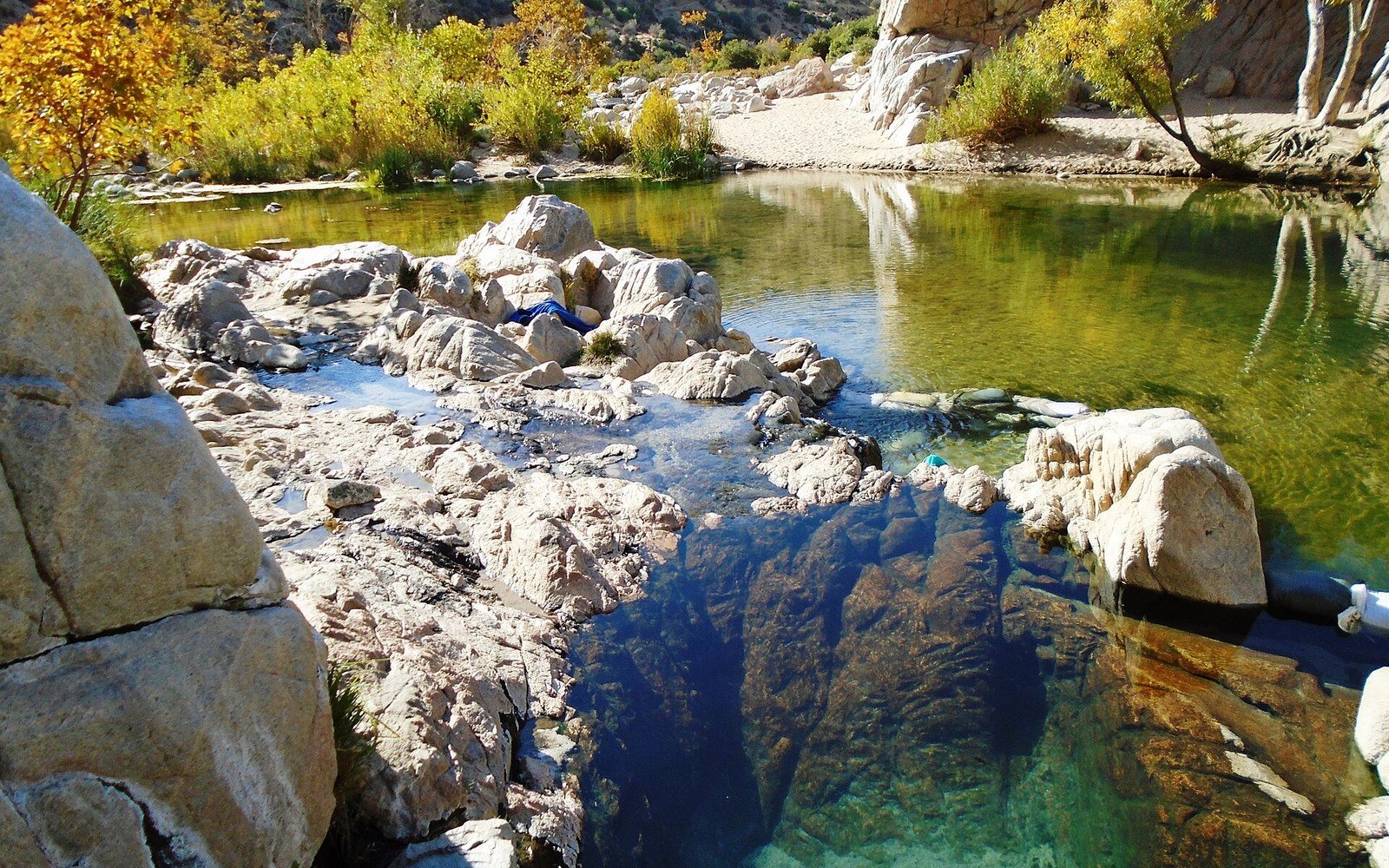
A Georgia resort pool, remade as a rehabilitation institution in 1927, gave American polio recovery a physical template — and a political one.
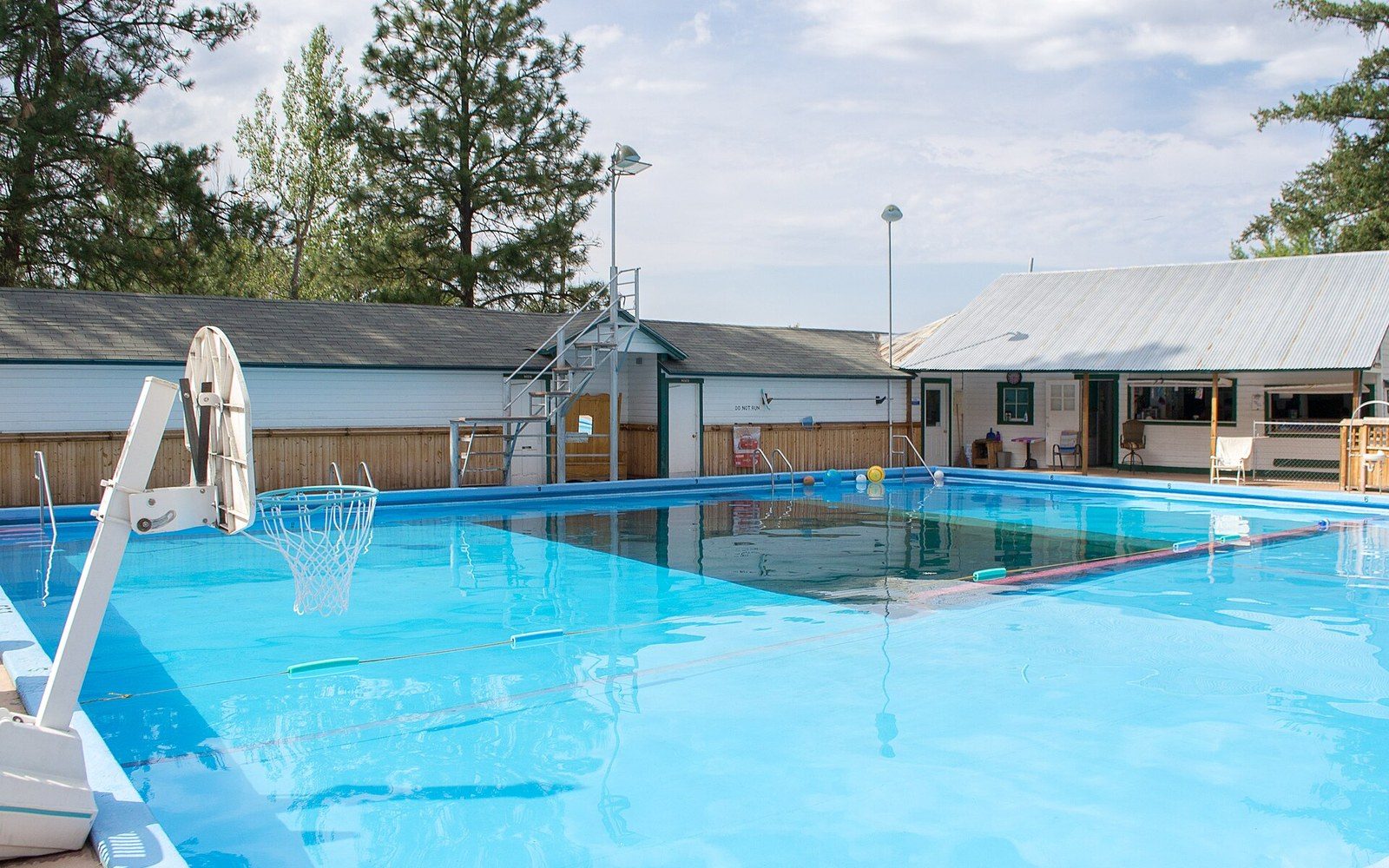
Warm Springs had been a resort destination in Meriwether County, Georgia, long before Franklin D. Roosevelt first visited in 1924. The natural spring water emerged at a constant temperature of around 88°F, and Roosevelt, who had contracted poliomyelitis in 1921, found that exercising in it allowed movement his body could not otherwise manage. He returned repeatedly across 1925 and 1926, and other polio survivors began arriving as word spread. The site was not yet an institution — it was a collapsing resort hotel, a pair of pools, and a reputation that travelled by word of mouth through a community of people who shared a diagnosis and very few resources.
Chronology
- 1921Roosevelt contracts poliomyelitis
- 1924Roosevelt's first visit to Warm Springs
- 1927Georgia Warm Springs Foundation established as nonprofit
- 1938National Foundation for Infantile Paralysis established
- April 1945Roosevelt dies at Warm Springs cottage
- 1955Salk vaccine licensed
- 1961Sabin oral vaccine licensed
In 1926, Roosevelt purchased the Warm Springs property, and in 1927 he established the Georgia Warm Springs Foundation — later known as the Warm Springs Foundation — as a nonprofit rehabilitation centre. The purchase price and the subsequent construction campaigns drew heavily on his personal finances. The old resort infrastructure was not merely patched; it was redesigned around the logic of supervised aquatic exercise, with the covered pool as the institution's physical and symbolic centre.
The Colonnade and the Campus
What made Warm Springs legible as an institution rather than a spa was the building programme that followed the Foundation's founding. A colonnade connected the main treatment building to the residential cottages, creating a covered circuit that wheelchair users and those on crutches could navigate without encountering stairs or open weather. The architecture was deliberate: corridors wide enough for chairs, ramps substituted for steps, the pool itself accessible by gradual entry rather than a ladder. These were not incidental features of a period resort renovation. They were design decisions made in response to the bodies of the patients using them.
The hydrotherapy pool remained the operational heart. Physiotherapy staff worked in the water alongside patients, guiding movement sequences that land-based exercise could not replicate for those with significant limb weakness. The pool's recorded water temperature and the physical accessibility of its entry became a documented model that other facilities referenced when planning rehabilitation construction in the 1930s and after.
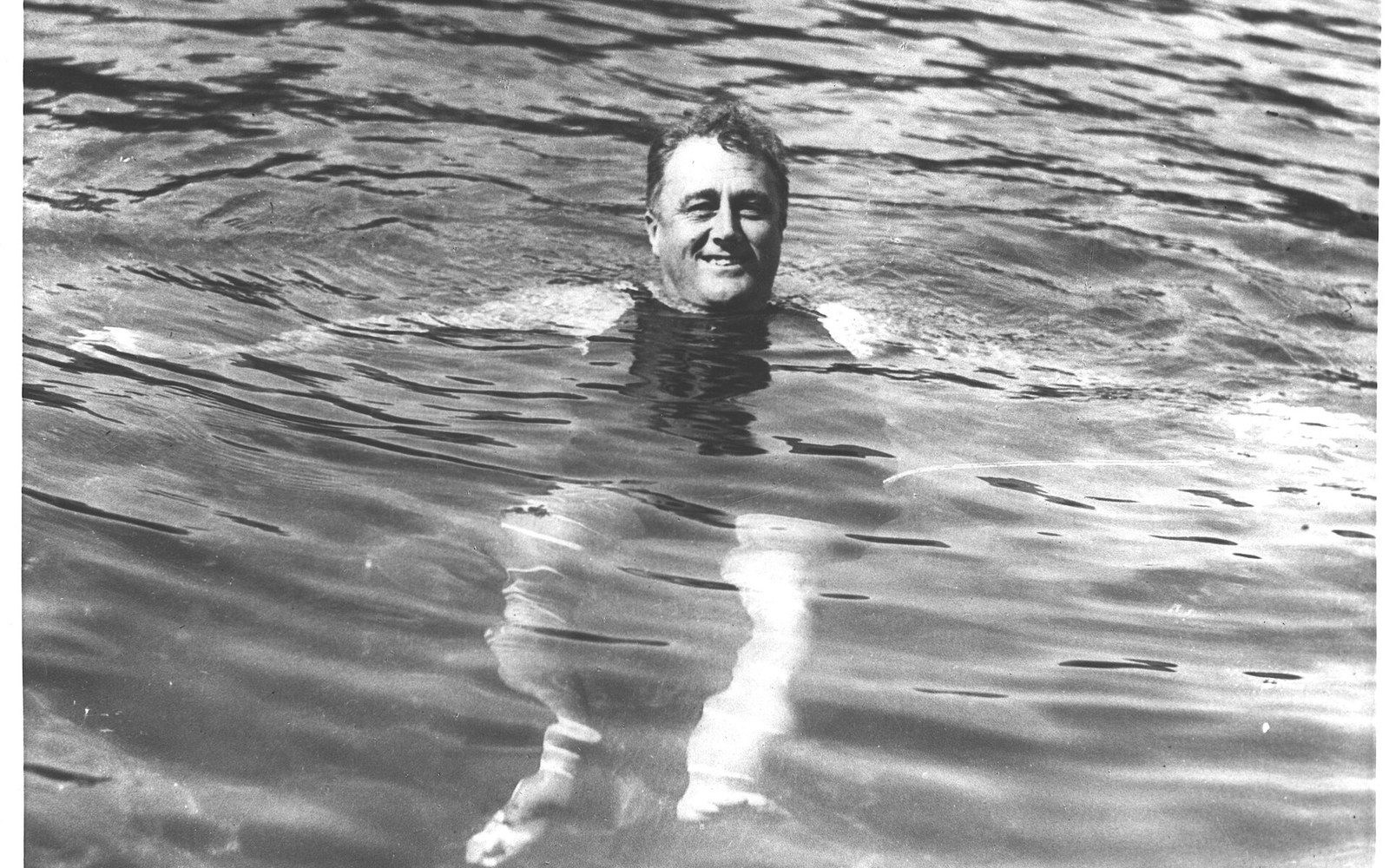
Roosevelt's ongoing presence at Warm Springs — he built a cottage on the property, the structure later known as the Little White House, and died there in April 1945 — meant the Foundation operated at the intersection of rehabilitation medicine and American political life in a way no comparable institution did. That visibility was itself an institutional resource. Fundraising for the Foundation, and later for the National Foundation for Infantile Paralysis established in 1938, drew on the president's public association with the site.
From Model to Network
The Warm Springs Foundation's significance extended beyond its physical campus. It trained rehabilitation staff and sent practitioners into a profession that was, through the 1930s and 1940s, still consolidating its methods and its institutions. The American Physical Therapy Association — which had grown from the American Women's Physical Therapeutic Association founded in 1921 — recognised polio rehabilitation as a major site of professional practice, and Warm Springs was among the visible institutional anchors that demonstrated what organised physical rehabilitation looked like.
By the early 1950s, when the annual polio case counts were reaching their peak, Warm Springs had been joined by much larger facilities: Rancho Los Amigos in Los Angeles County was operating the largest respiratory polio ward in the country, built around the iron lung banks that Warm Springs, with its emphasis on ambulatory patients and pool exercise, had never needed in the same numbers. The two institutions represented different registers of the epidemic's severity. Warm Springs addressed those who could move through water; Rancho addressed those who could not breathe without a machine.
The pool at Warm Springs survived both the epidemic and the vaccines — the Salk vaccine licensed in 1955 and the Sabin oral vaccine that followed in 1961 — that ended the annual seasons of mass infection. What it left behind was an architectural argument: that the built environment of rehabilitation was itself a form of treatment, worth designing carefully and funding publicly.