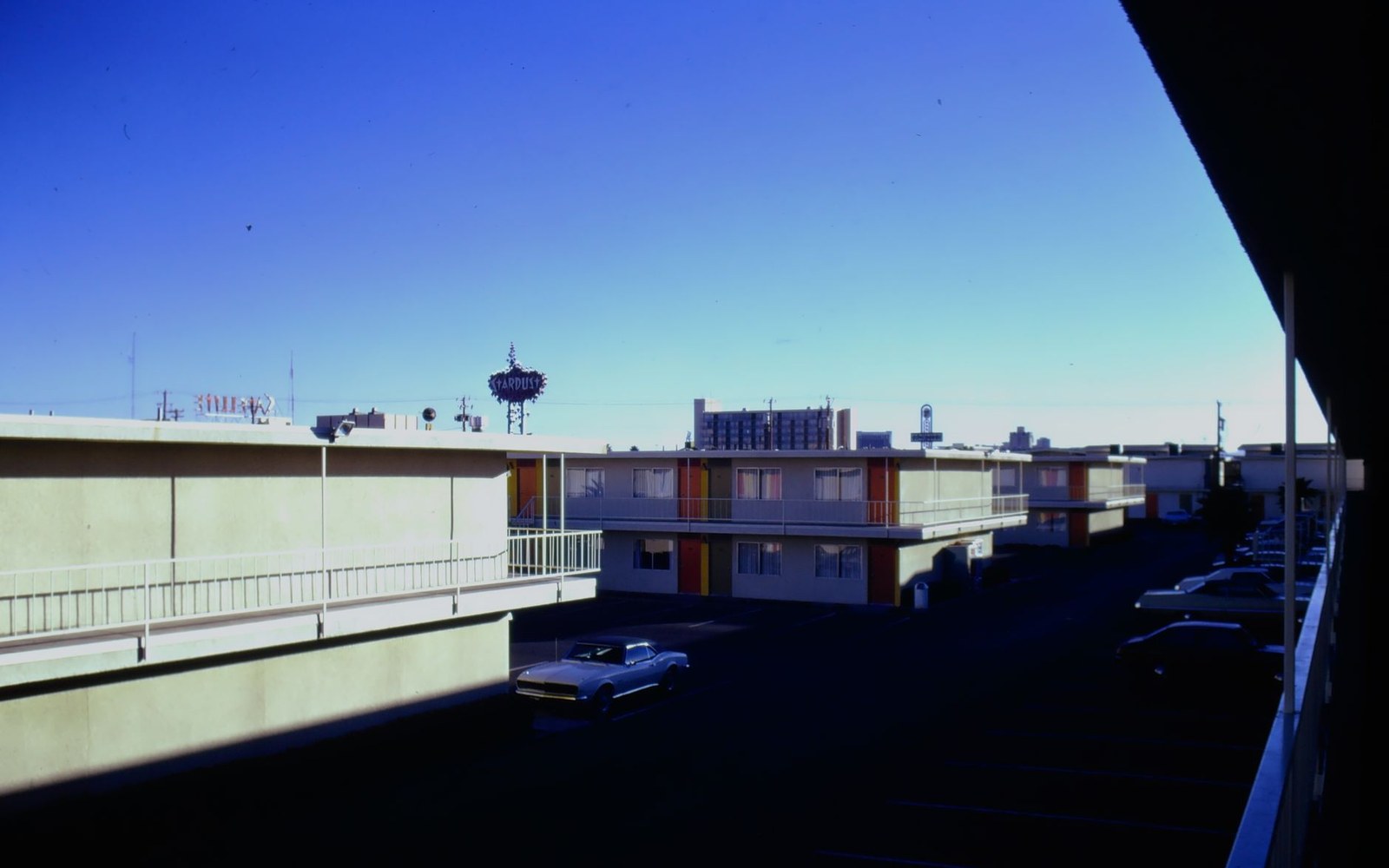
The largest iron lung bank in the United States grew not in a metropolitan hospital but in a former county poor farm in Downey, California.
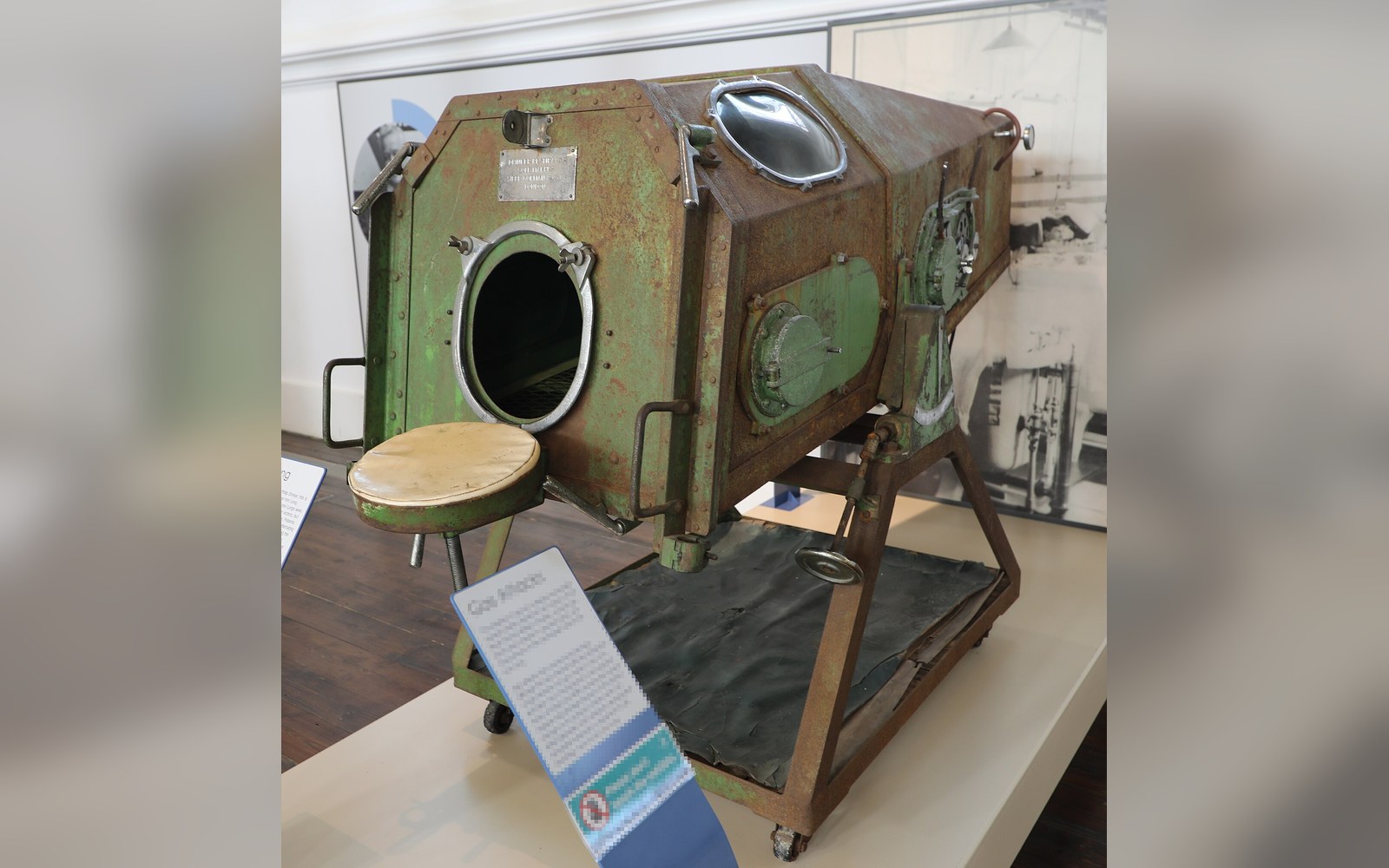
Los Angeles County Hospital transferred its overflow polio cases to the Los Angeles County Hospital at Rancho Los Amigos in the early 1950s, when epidemic seasons made downtown capacity impossible to maintain. The facility, built on farmland in Downey that had served the county since the nineteenth century, had the physical space that acute urban hospitals lacked: long single-storey wards that could be lined with iron lungs without obstructing circulation, and enough electrical infrastructure to run dozens of negative-pressure ventilators simultaneously.
Chronology
- Nineteenth centurysite established as Los Angeles County poor farm, Downey, California
- Early 1950sLos Angeles County routes epidemic polio overflow to Rancho Los Amigos
- 1952peak epidemic season; Rancho holds largest US concentration of respiratory polio patients
- 1955formally designated a national rehabilitation centre; Salk vaccine licensed
By the 1952 epidemic season — the worst in American recorded history, with more than 57,600 reported cases nationally — Rancho Los Amigos held what institutional records describe as the largest concentration of respiratory polio patients under a single administration in the country. Rows of Emerson and Drinker machines occupied wards that had no clinical precedent in their arrangement; nurses and therapists moved between cylinders rather than beds, reading the pressure gauges and monitoring the patients sealed inside.
What the Ward Organised
The respiratory ward at Rancho did something no acute hospital had the time or the volume to develop: it accumulated institutional knowledge about long-term ventilator dependency. Patients who could not be weaned from the machines within weeks became residents for months or years, and the staff assembled around them — physicians, physical therapists, respiratory nurses, and social workers — constituted one of the earliest interprofessional teams organised specifically around ventilated patients.
Physical therapists at Rancho worked within the iron lung's constraints, reaching through the machine's port holes to perform the limited passive movement and chest work that the position allowed. The parallel bars and the tilt table remained in use for those patients who retained any ambulatory function; for the fully ventilator-dependent, the gymnasium floor was simply unreachable.
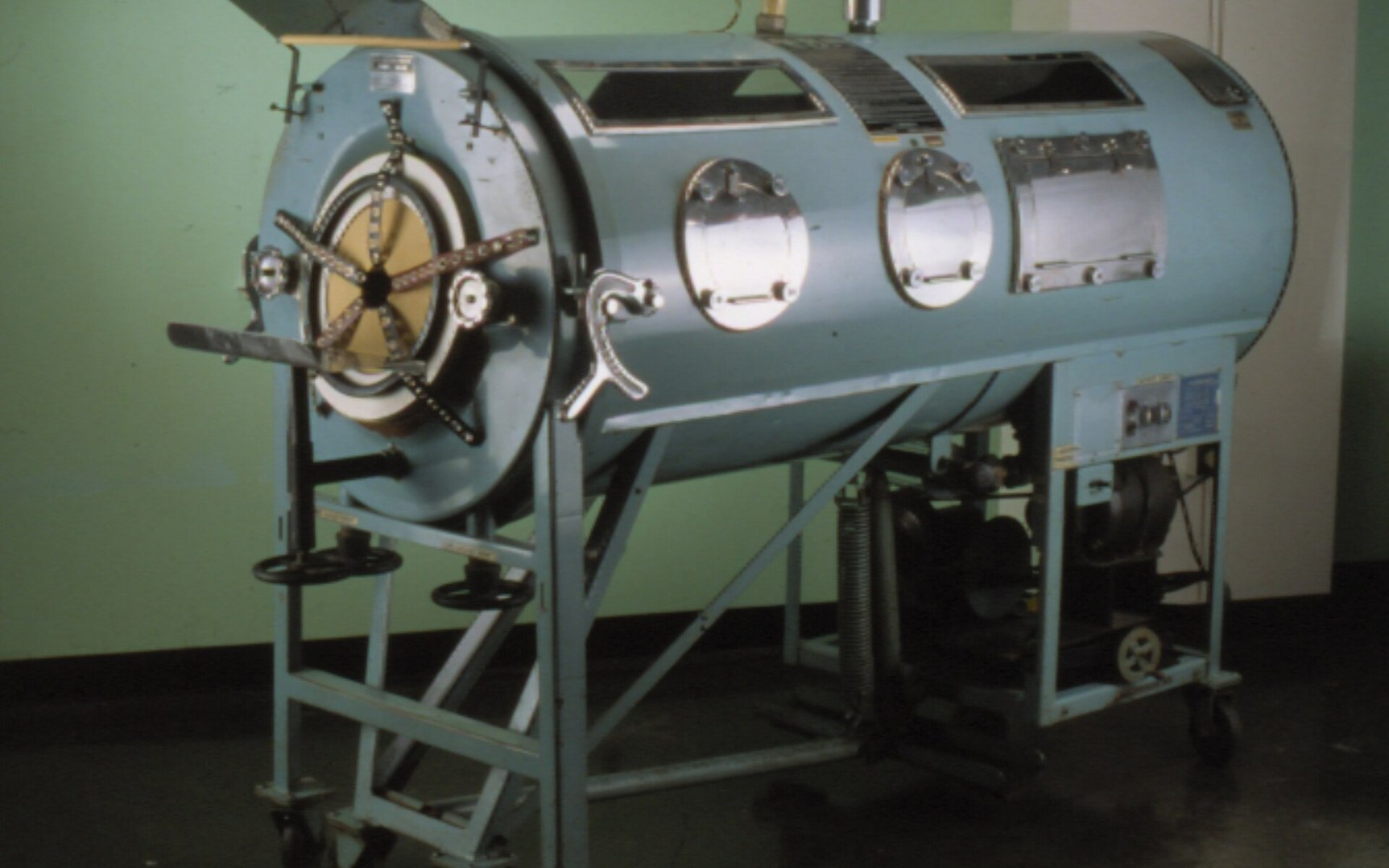
Rancho Los Amigos was designated a national rehabilitation centre in 1955, formalising what the epidemic had already made it by necessity. The institutional record it generated — case volumes, staffing ratios, ward layouts — fed directly into federal thinking about how respiratory rehabilitation should be organised, a conversation the Salk vaccine, licensed the same year, would eventually make moot.