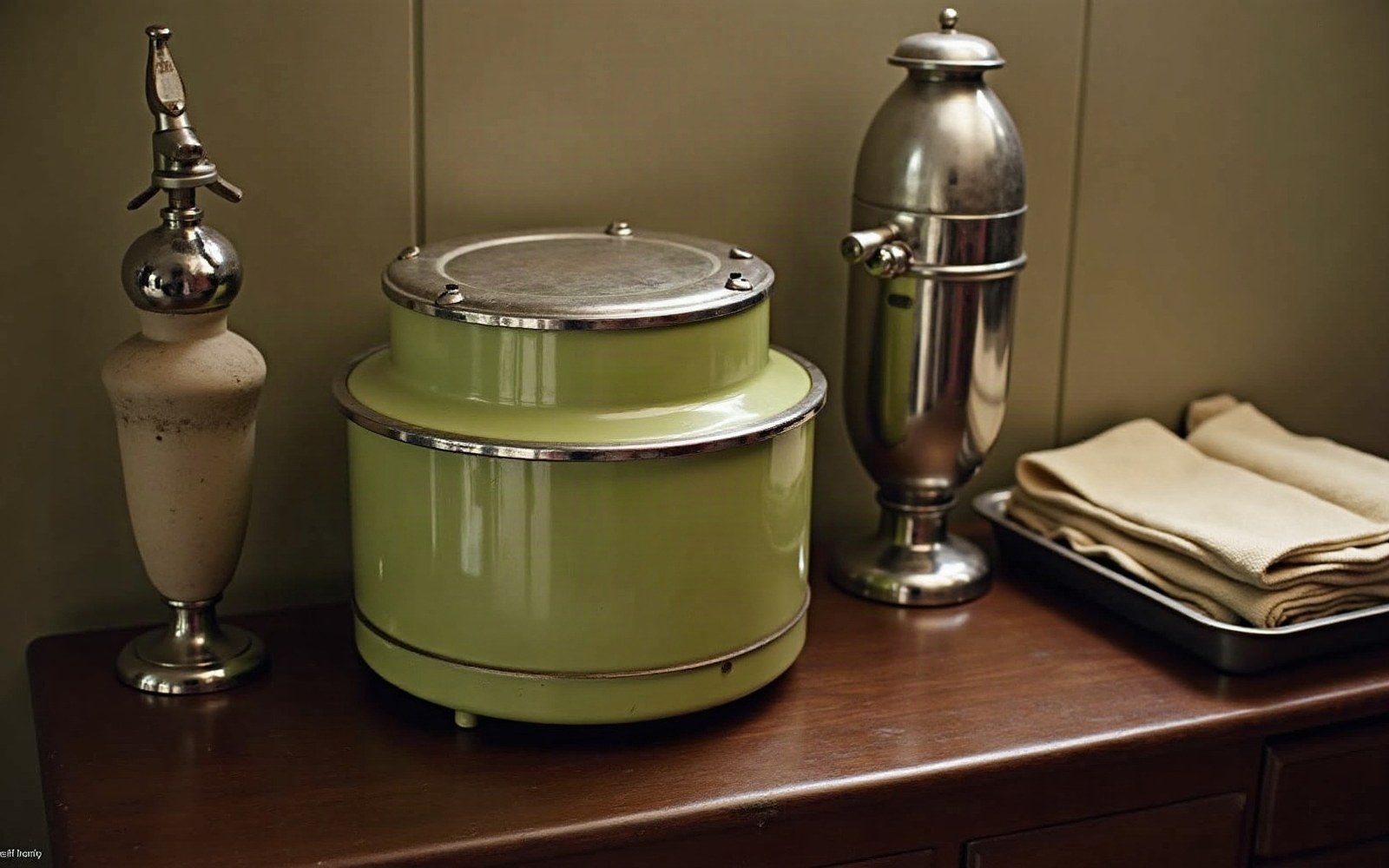
Two machines on the same wall, doing different things with heat — and both carrying an institutional argument about what physiotherapy was for.
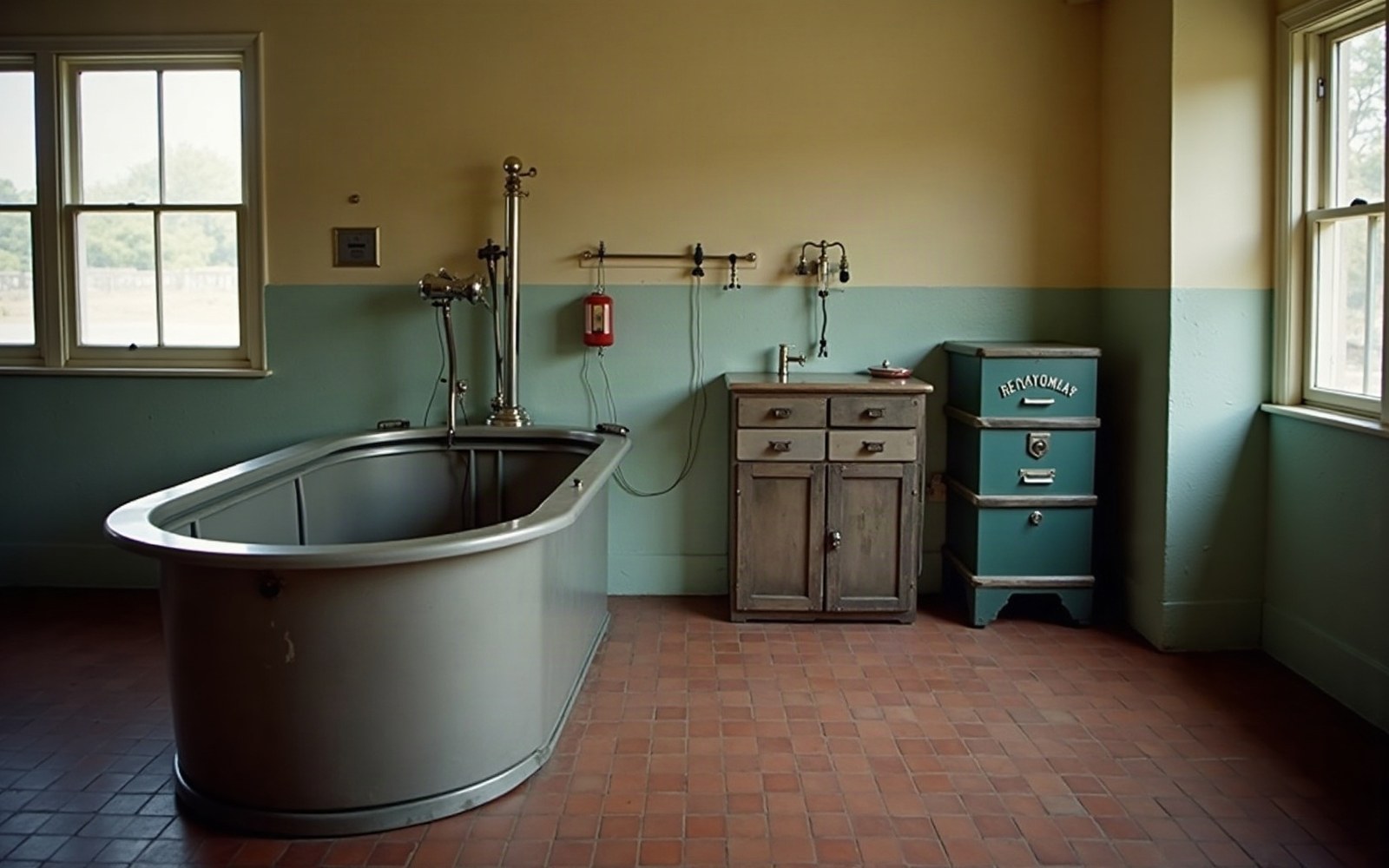
Walk into a hospital gymnasium in the 1930s and the far wall told you immediately what the department thought it was doing. Along it sat two pieces of apparatus that had arrived by different routes and carried different professional freight: the wax bath and the short-wave diathermy unit.
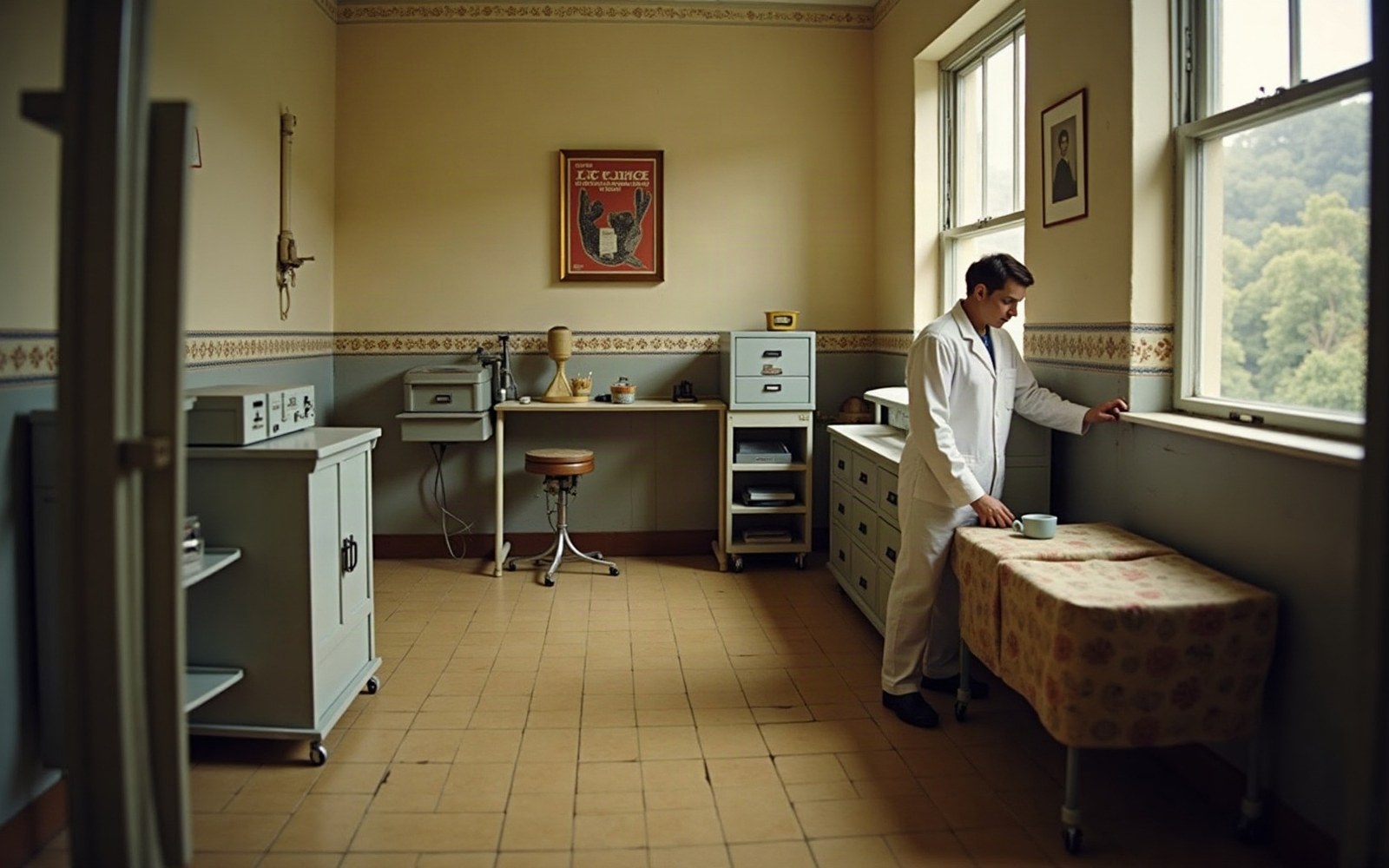
The wax bath was the simpler object — a thermostatically controlled vessel holding molten paraffin wax, maintained at around 52°C, into which hands and feet were repeatedly dipped to build up a warm coat. Its origins lay in industrial burn treatment and wartime rehabilitation; by the 1920s it was standard issue in departments treating the stiff joints of returned soldiers and, later, the hands of factory workers and arthritic patients. Manufacturers including Moor & Wright and their contemporaries produced catalogue versions that differed mainly in tank dimensions and thermostat precision. The object required no professional licence to operate, which was precisely why some practitioners valued it and why others found it a liability: it sat at the edge of what the Chartered Society of Physiotherapy, granted its royal charter in 1920, was trying to police as specialised practice.
Short-wave diathermy was a different matter in register and in cost. The apparatus used high-frequency electromagnetic waves — frequencies above 10 megahertz in standard interwar configurations — to generate heat within tissue by inducing molecular agitation. The machines were expensive, mains-dependent, and required the operator to understand electrode placement and timing. Siemens and Schall were among the European manufacturers supplying British hospitals; American departments sourced comparable units domestically. The apparatus needed calibration, logged treatment times, and produced a paper trail — exactly the kind of documented clinical record that professional bodies pointed to when arguing that physiotherapy was something other than lay massage.
The two machines therefore did more than apply heat. Together they mapped a professional boundary. The wax bath represented inherited practice, portable and cheap; the short-wave unit represented equipment-mediated authority, the kind that required training to operate and money to acquire. Departments that could display both were signalling institutional seriousness. The wall they shared was, in that sense, an argument made in metal and wax — one that the profession spent the interwar decades trying to win.