57,600 Reported Cases: The 1952 Season in Figures
The Numbers That Landed on Administrators' Desks
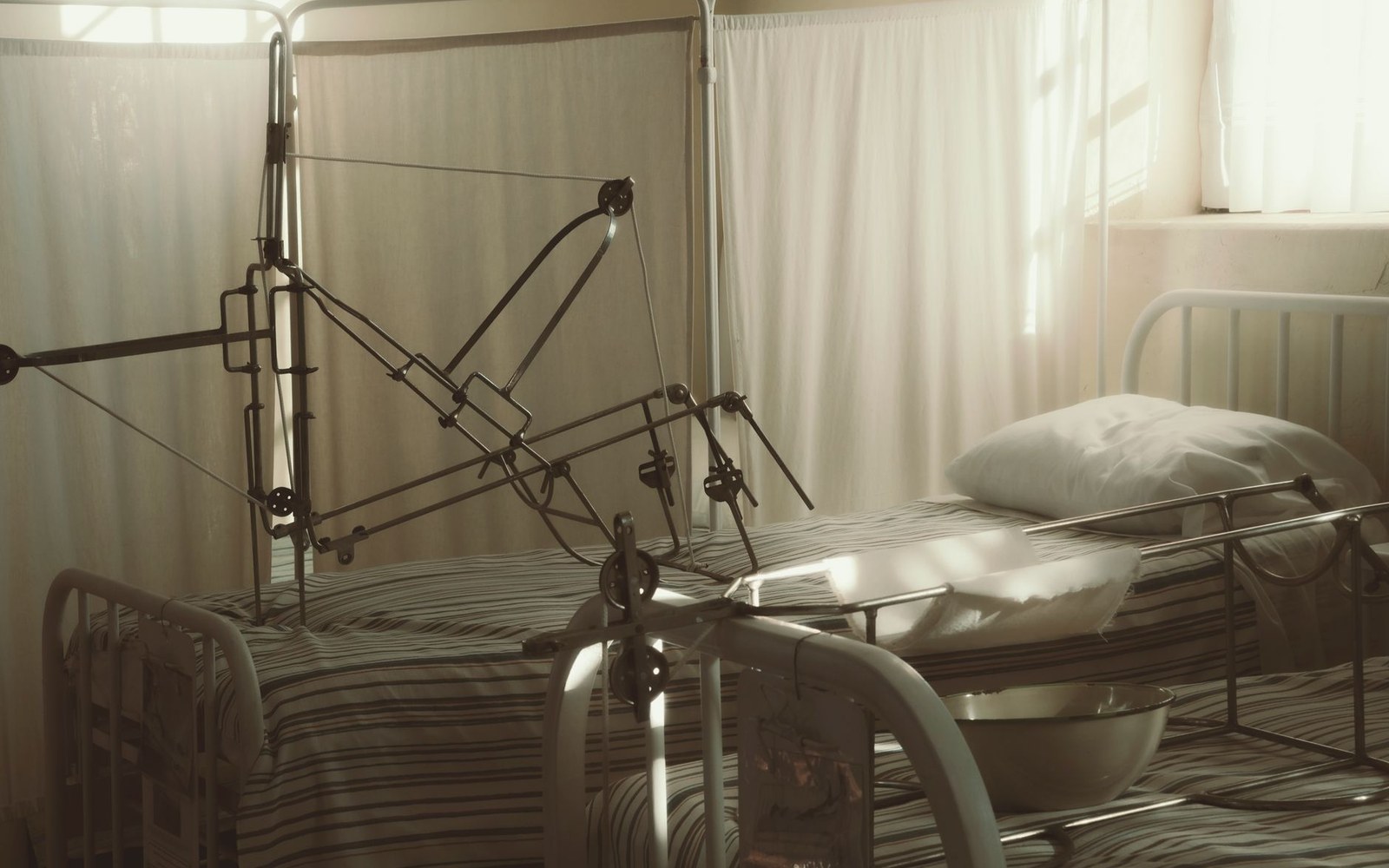
The single worst year of the American polio epidemic left a paper trail of admissions, requisitions, and machine orders that reshaped institutional capacity overnight.
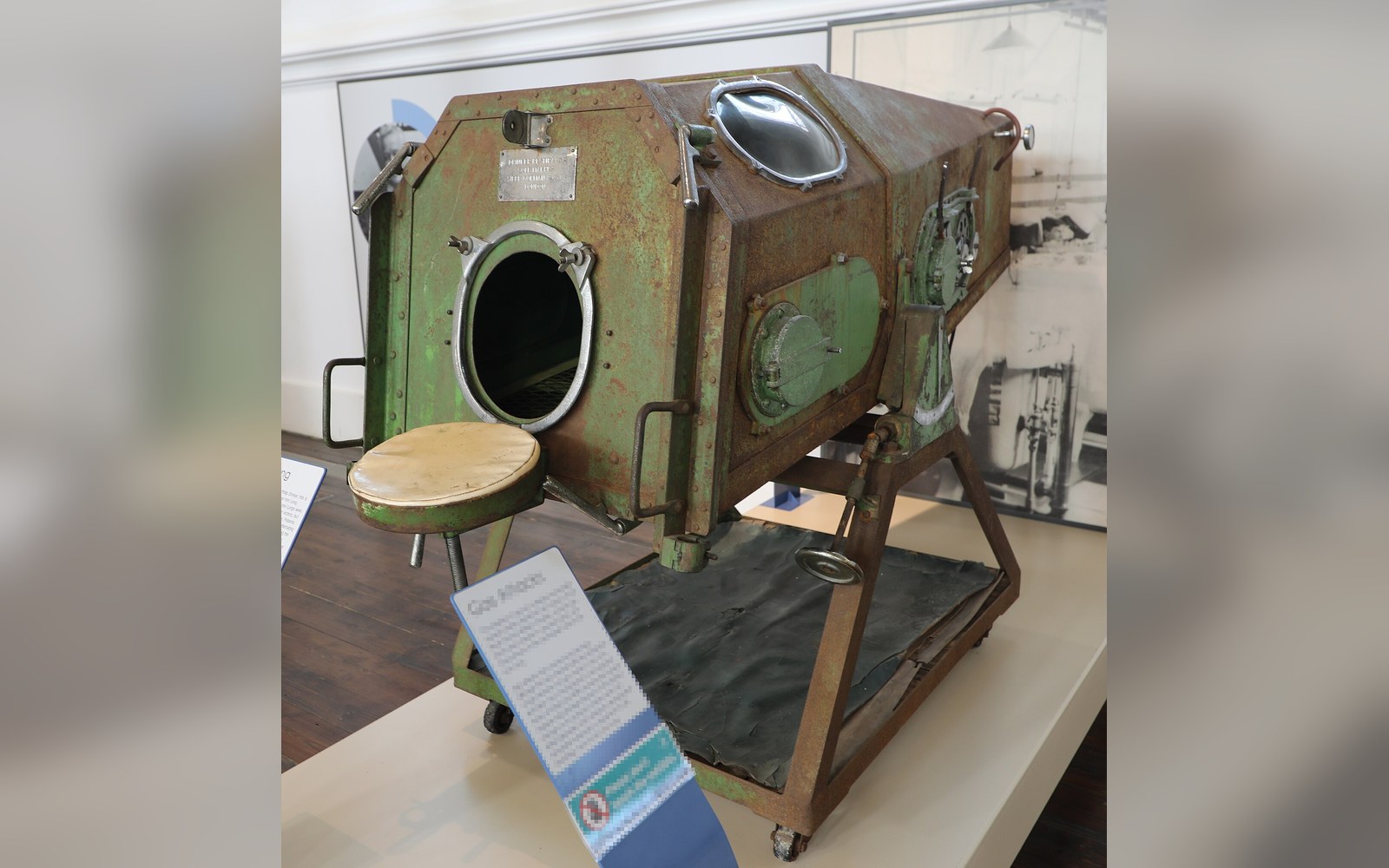
In 1952, the United States recorded approximately 57,628 poliomyelitis cases — the highest annual total in the country's history and well above the previous peak of about 42,000 cases in 1949. Of those cases, roughly 3,145 were classified as paralytic respiratory, meaning patients could not maintain breathing without mechanical assistance. That figure alone determined procurement decisions, ward architecture, and staffing levels at hospitals across the country in a way that no professional committee had anticipated.
The 1952 polio epidemic arrived in the pattern that health departments had come to dread: a summer surge beginning in the South and moving north, straining facilities long before autumn brought any abatement. Los Angeles County saw case numbers that overwhelmed the existing respiratory ward at Rancho Los Amigos National Rehabilitation Center, which had been managing polio admissions since the late 1940s and was already the largest such facility in the country. The institution's capacity was extended through successive emergency measures — converting adjacent wards, commandeering equipment from other county facilities — as case numbers kept climbing through July and August.
Iron Lungs and the Question of Supply
The negative-pressure ventilator that most people knew as the iron lung had by 1952 two established forms in American hospitals: Philip Drinker's original design from 1928 and the revision commercialised by John Emerson. The J.H. Emerson Company, operating out of Cambridge, Massachusetts, was the principal domestic supplier, and 1952 placed demands on that production capacity that the company had not previously encountered. The J.H. Emerson Company records document a sharp escalation in orders during the summer months, with hospitals and county health departments placing emergency requisitions rather than working through standard procurement channels.
The practical consequence was a shortage. The National Foundation for Infantile Paralysis — the organisation Franklin D. Roosevelt had helped establish in 1938 from the framework of the Warm Springs Foundation — acted as a distribution intermediary, maintaining a reserve pool of machines and routing them toward outbreak centres. That arrangement had existed since the late 1930s, but 1952 was the first season in which the reserve pool was demonstrably insufficient for simultaneous multi-city demand. Hospitals in epidemic zones reported holding patients in makeshift respiratory support — manually operated bag ventilation sustained by rotation of staff and volunteers — while awaiting machine delivery.
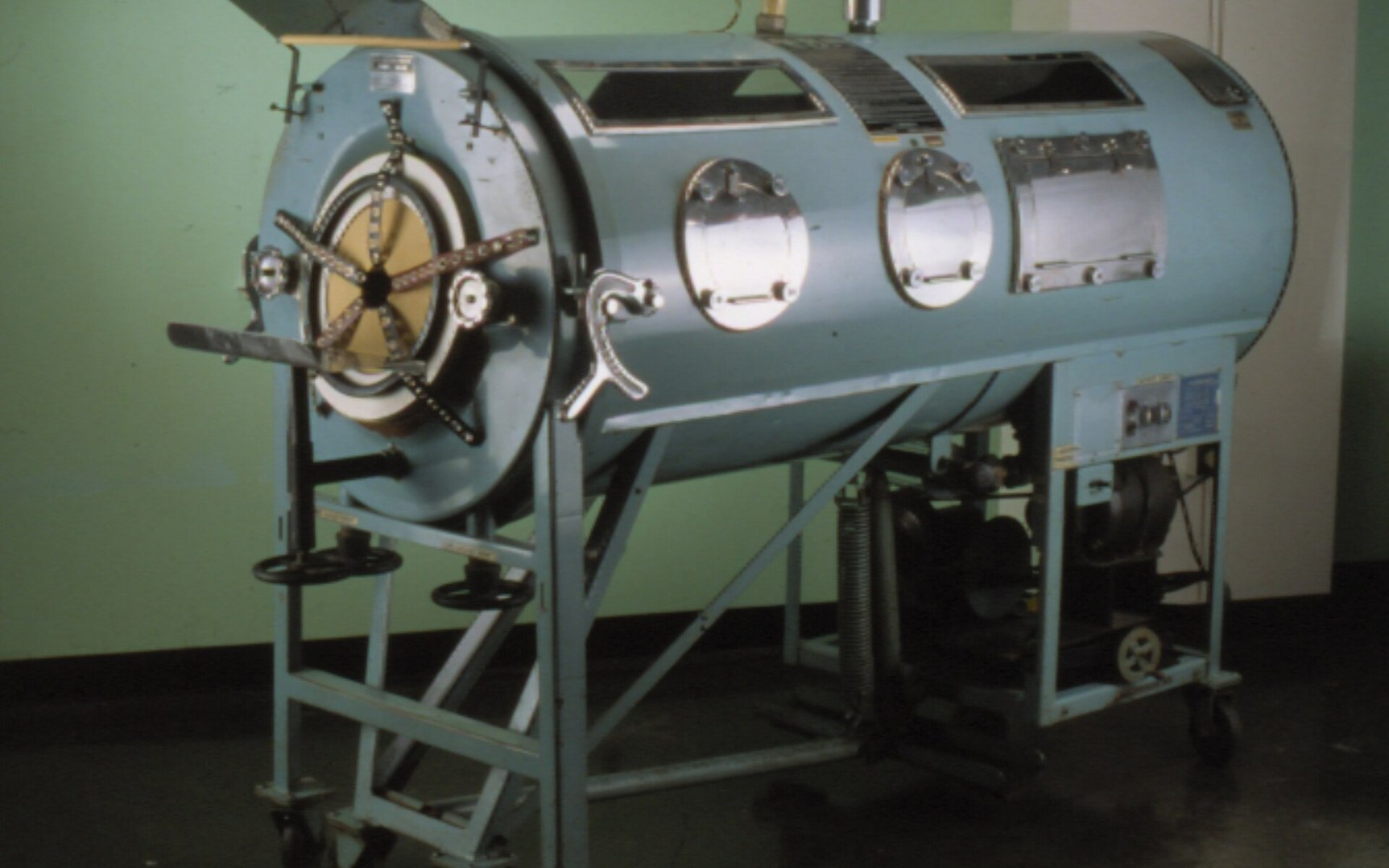
The institutional response to that shortage was partly spatial. Respiratory wards were reorganised to accommodate the iron lung's footprint — each Emerson model ran to approximately seven feet in length and required clearance on three sides for nursing access — and the goniometer and dynamometer records kept by physiotherapy departments gained a new category: respiratory admissions, tracked separately from the orthopaedic and paralytic cases that had previously dominated the documentation.
What the Scale Decided
The 1952 figures forced decisions that had previously been postponed. The National Foundation accelerated funding for respiratory care training, recognising that ward staff who had managed occasional iron lung patients now needed systematic preparation. Rancho Los Amigos expanded its physiotherapy establishment; the physical therapy department there developed protocols specifically for the respiratory ward that distinguished it from the post-acute rehabilitation work the hospital had been built to deliver.
The scale of 1952 also sharpened the institutional case for a vaccine. Jonas Salk's work at the University of Pittsburgh was already in progress, and the Foundation was already funding it; but the 57,000-case season made the bureaucratic argument for accelerating the trial timeline considerably easier to press. When the field trial of the Salk vaccine was announced in 1954, involving nearly 1.8 million children across forty-four states, the memory of 1952 wards at capacity was the unspoken premise behind every budget line.
The epidemic years had always been documented in reported-case tables; 1952 was the year that documentation became the argument itself — for more machines, more trained staff, more ward space, and ultimately for the research that closed the epidemic down.