From Brass to Electronics: The Isokinetic Dynamometer
The machine that turned movement into a number on paper

Before isokinetic measurement existed, the documented record of a patient's muscle strength was a handwritten grade — a letter or numeral assigned by a clinician's hand pressed against the patient's limb. The goniometer and the hand dynamometer had already begun making the body legible on paper, but neither captured force across an entire arc of movement. The isokinetic dynamometer changed that, and in doing so it changed what a clinical record could claim to contain.
Constant speed, varying resistance
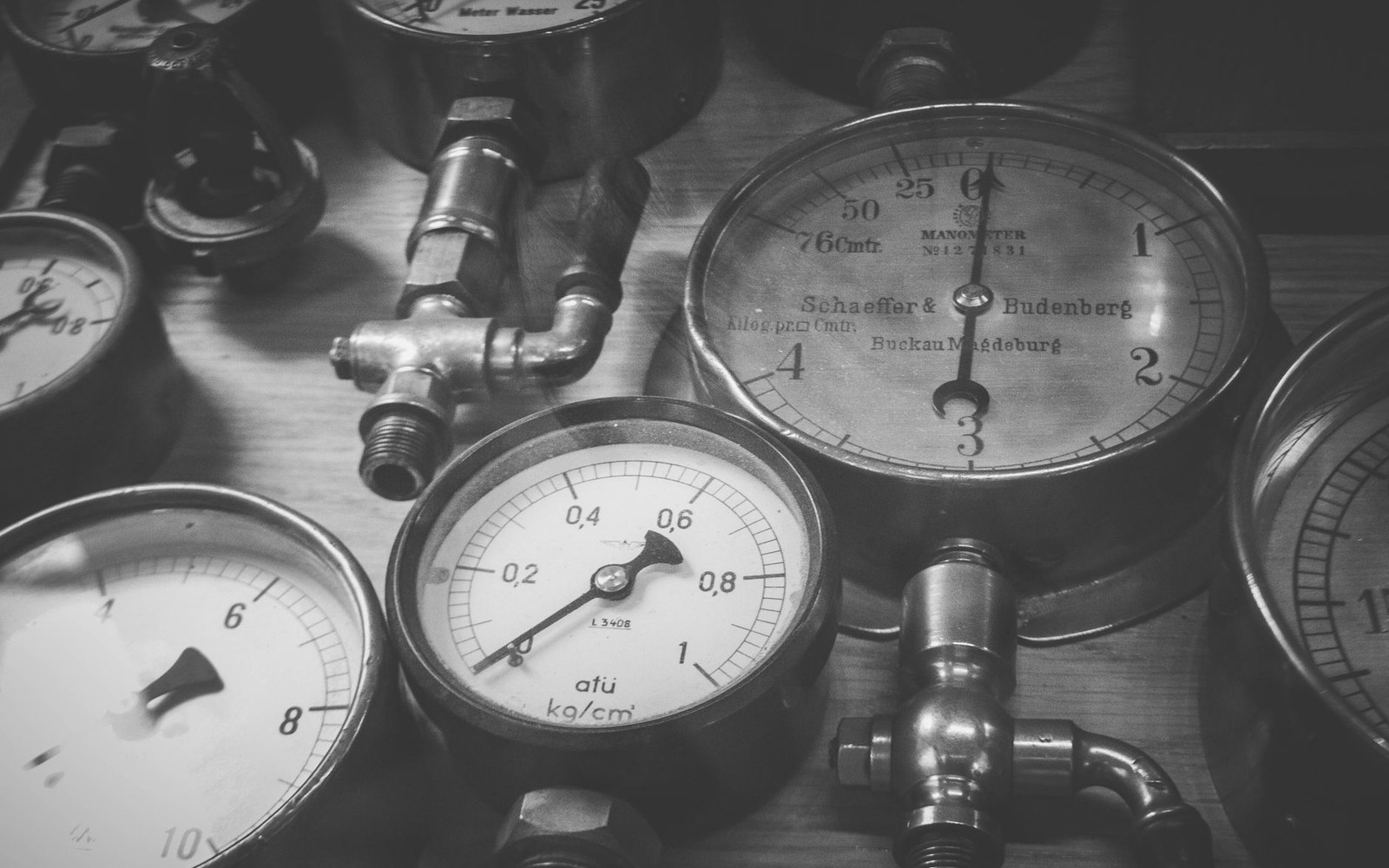
The governing principle — controlling the speed of a movement while measuring the force produced at every point along its range — was formalised in the 1960s. James Perrine and Thistle are among the names in early engineering literature on isokinetic muscle testing; the concept was defined in peer-reviewed work by the mid-1960s and appeared in published clinical protocols by the decade's end. Cybex, then a division of Lumex Inc., produced the first commercially available isokinetic dynamometer in 1969. That machine, the Cybex I, was electromechanical: it enforced a constant angular velocity and connected to a pen chart recorder that drew a paper trace of torque against joint angle. The trace itself was the document — a curve the clinician could annotate, compare, and file.
Chronology
- 1960sisokinetic principle defined in engineering and clinical literature
- 1969Cybex I released commercially by Lumex Inc.; uses electromechanical resistance and pen chart recorder
- 1970sKin-Com (Chattecx Corp.) and Biodex (Shirley, New York) enter the market
- 1978Biodex System 1 introduced; begins transition to digital readout
- Early 1980smicroprocessor-controlled units generate printed data tables replacing analogue traces
Cybex was followed by Kin-Com (Chattecx Corporation, Tennessee) and Biodex (Biodex Medical Systems, Shirley, New York), whose units appeared in rehabilitation centres and university sports medicine laboratories through the 1970s and 1980s. The Biodex System 1, introduced in 1978, began the shift from analogue chart recorders to digital readout; by the early 1980s, microprocessor-controlled units were generating printed numerical reports — peak torque, total work, power, bilateral deficit — replacing the hand-drawn curve with a structured data table. What had been a clinician's felt judgment now became a timestamped figure with a manufacturer's serial number attached.
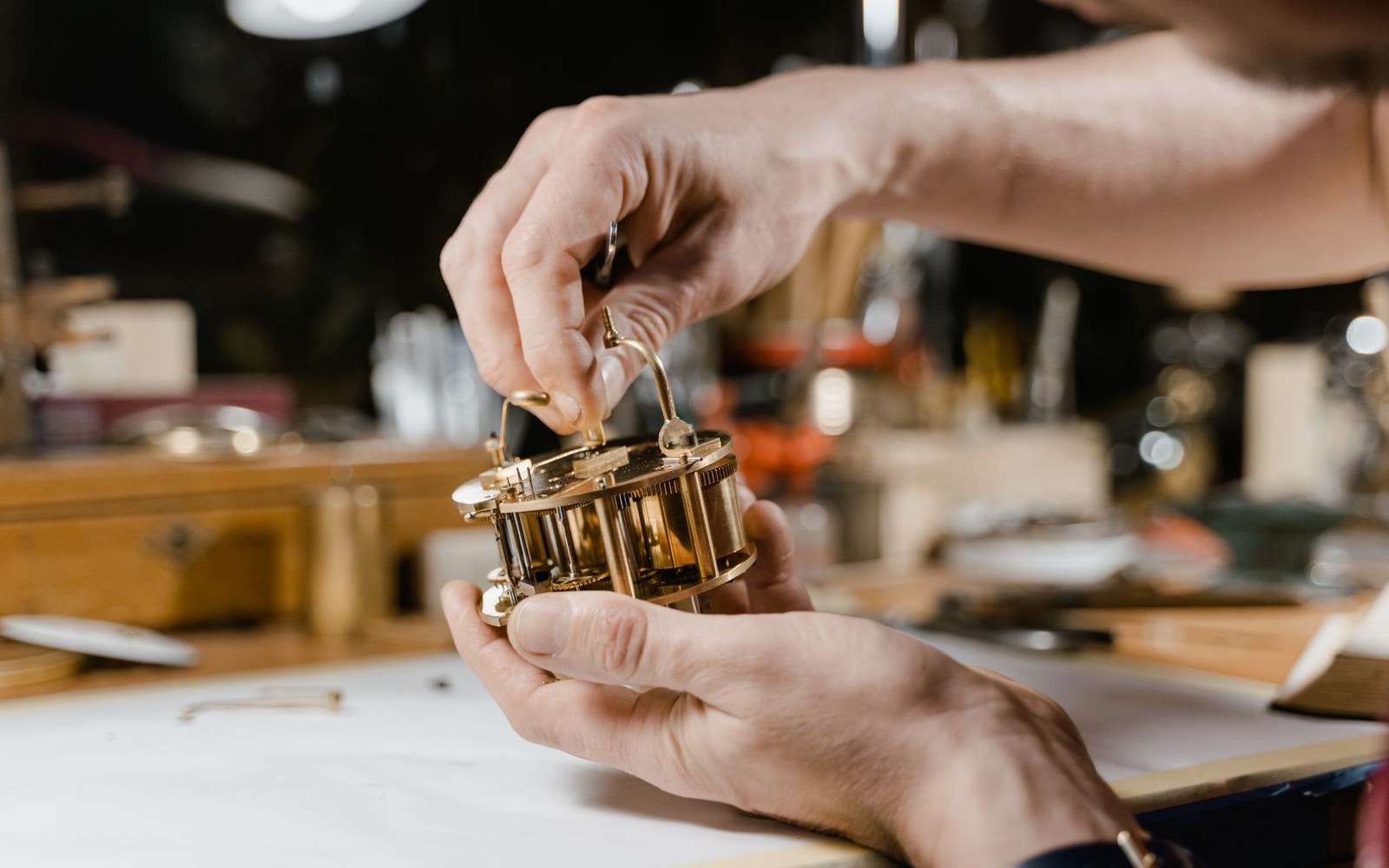
The machines were large, fixed to the floor, and expensive. Rancho Los Amigos National Rehabilitation Center and university-affiliated hospitals were early sites of installation precisely because they had the space, the technical staff, and the research remit that justified the cost. The apparatus demanded calibration records, which created another layer of institutional documentation: the machine did not simply produce numbers, it produced auditable numbers.
That shift — from impression to auditable figure — is what distinguishes the isokinetic dynamometer from every earlier instrument in the physiotherapy department. The hand dynamometer and goniometer had pointed in the same direction; the isokinetic machine arrived at the destination.