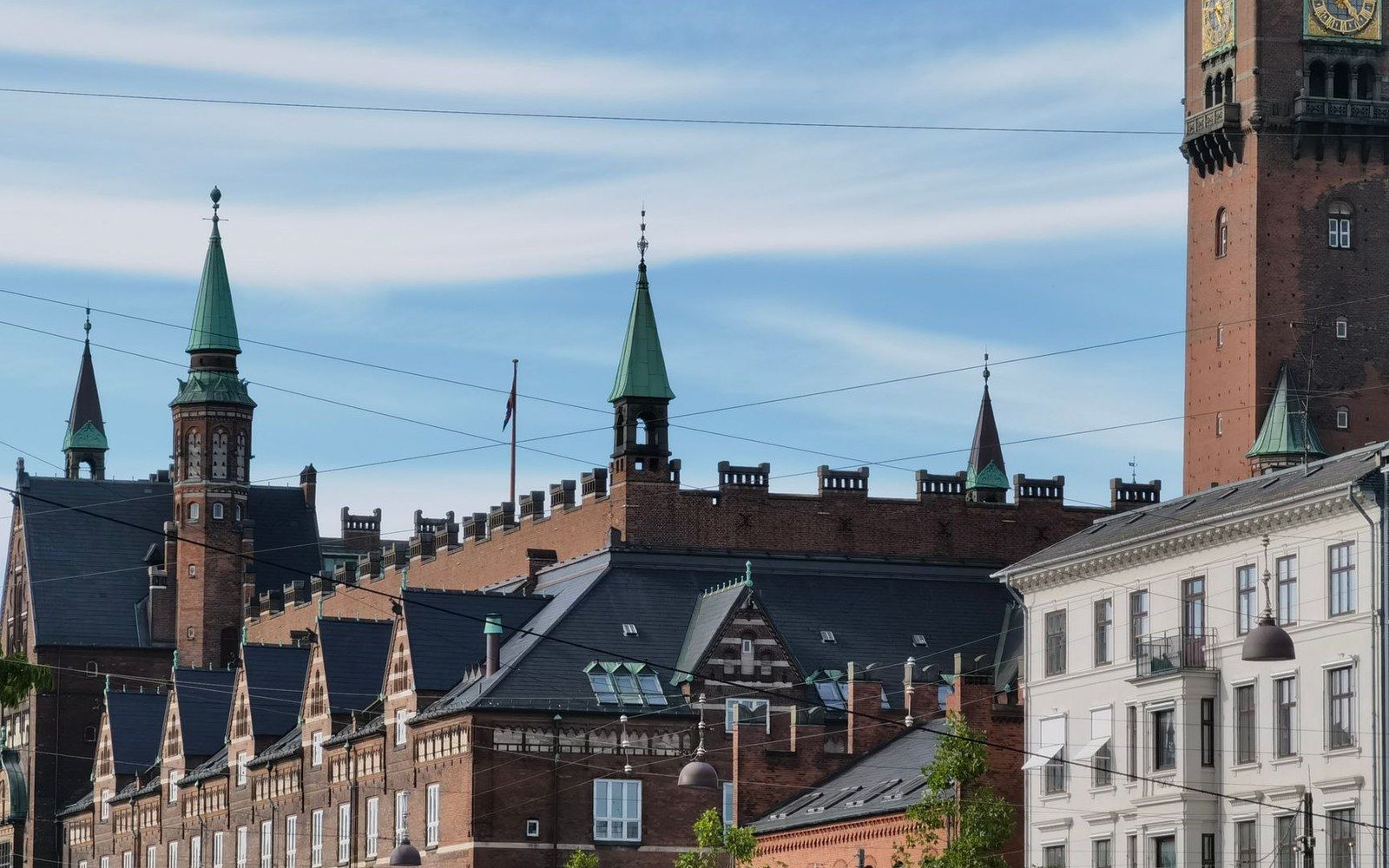
Eleven national associations sent delegates to Copenhagen in 1951. What they were deciding was not whether to unite, but what unity would actually require.
The World Confederation for Physical Therapy held its inaugural congress in Copenhagen in 1951, convened not as a ceremony of common purpose but as a working negotiation between professional bodies that had reached different institutional conclusions about what physical therapy was and who should practise it. The founding membership comprised eleven national associations, each carrying its own licensing frameworks, training standards, and professional genealogies — some running back to the Society of Trained Masseuses founded in Britain in 1894, others emerging from wartime rehabilitation programmes less than a decade old.
Chronology
- 1813Per Henrik Ling founds the Royal Gymnastic Central Institute, Stockholm
- 1894Society of Trained Masseuses founded, Britain
- 1920Chartered Society of Physiotherapy receives royal charter
- 1921American Physical Therapy Association established (successor to the American Women's Physical Therapeutic Association)
- 1951World Confederation for Physical Therapy inaugural congress, Copenhagen; eleven founding national associations
- 1952Peak US polio season; more than 57,000 recorded cases
The practical question on the table was recognition: what minimum standard of education would the Confederation accept as the threshold for membership, and how would it be verified across national systems that had no common inspection mechanism? Britain's Chartered Society of Physiotherapy, which had held a royal charter since 1920, arrived with an established examination structure. The American Physical Therapy Association, successor to the American Women's Physical Therapeutic Association that Mary McMillan had helped found in 1921, brought a different model shaped by hospital-based training and the postwar expansion of rehabilitation medicine. Reconciling these was not procedural; it touched the boundary between a recognised profession and an unregulated trade.
The Confederation's founding documents established that member associations would be national bodies, not individual practitioners — a structural choice that kept disciplinary authority with domestic societies while giving the Confederation a mandate over cross-border recognition. Delegates also agreed that the organisation would not set clinical protocols; it would define institutional membership criteria. This distinction, drawn at Copenhagen, shaped the Confederation's character for decades: it was a body of bodies, not a college of practitioners.
The timing was not accidental. The early 1950s were the peak years of the global poliomyelitis epidemic — the 1952 American season would record more than 57,000 cases — and the demand for trained rehabilitation personnel had outrun every existing supply chain. An international body capable of supporting the movement of qualified practitioners across borders had clear immediate utility. Stockholm itself, where Per Henrik Ling had established the Royal Gymnastic Central Institute in 1813, stood in the background of every discussion about the European foundations of the discipline, though the 1951 congress was a pragmatic administrative event, not a commemoration.

The Confederation that emerged from Copenhagen was lean by design: eleven members, a recognition framework, and no clinical remit. It grew, but the structural decisions made in that first meeting — national bodies as members, standards over protocols — held.